Saturday & Sunday · March 6–7, 2027

Didactics

Keynotes in the Grand Maple Ballroom and concurrent sessions across four rooms. Open any title for the abstract, or any name for the speaker’s bio. Star the talks you want to build your own day.

Saturday · March 6

Didactic sessions · Davis Center

0800–0850Coffee, Light Refreshments & Exhibitor Time
0850–0900Introduction & Welcome
0900–1000Keynote · 60 min
Grand Maple BallroomKeynote

Whole Blood

AbstractDetails coming soon.
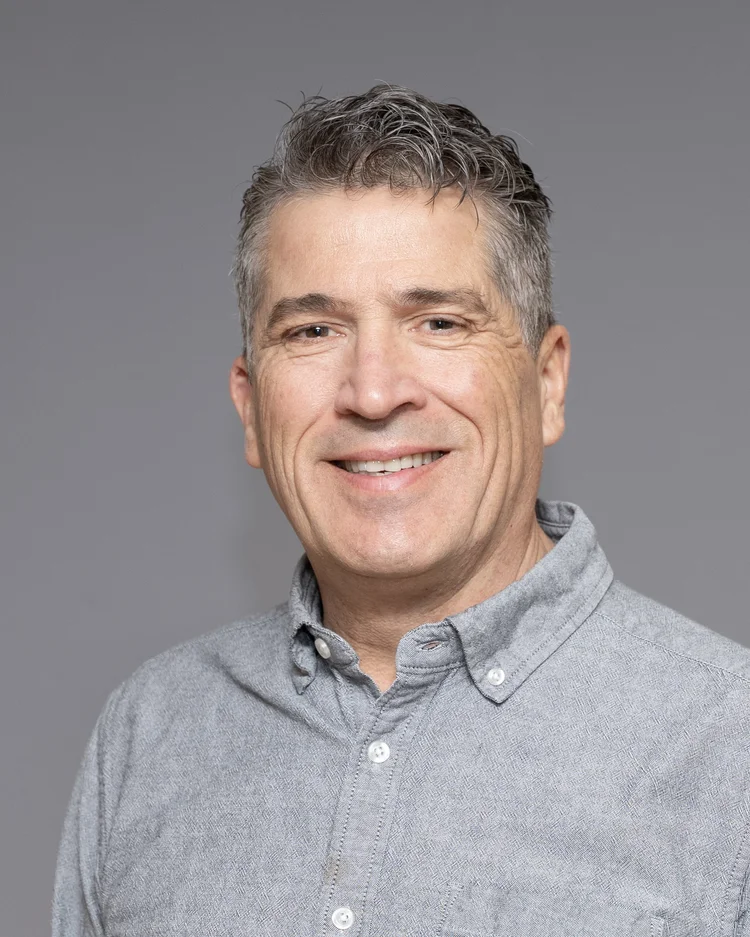
Jared Gallaher
About the speakerDetails coming soon.
1010–10404 concurrent sessions · 30 min · choose one
Grand Maple Ballroom

Incident to OR: Do C Collars do More Harm than Good?

AbstractCervical collar application is a near-universal step in prehospital trauma management, applied reflexively to protect against unstable spinal injury. But for patients with concurrent traumatic brain injury, this same intervention carries a documented physiologic cost: rigid collars compress the jugular veins, impeding venous outflow from the brain and producing measurable increases in intracranial pressure (ICP). For EMS providers managing patients with combined head and cervical spine trauma, this creates a genuine clinical tension, that the very device meant to prevent one catastrophic injury may worsen another.

This presentation examines the physiology behind collar-associated ICP elevation, reviews the current evidence base linking c-collar application to changes in ICP and downstream neurosurgical outcomes, and translates that evidence into practical implications for prehospital decision-making. Drawing on a review of relevant clinical cases alongside current literature, this talk will walk through how collar-related ICP changes are identified and managed once a patient reaches the hospital, what that means for the neurosurgical team's initial assessment and intervention window, and where current EMS protocols create risk versus where they remain necessary.

Attendees will leave with a clearer understanding of the mechanism connecting cervical immobilization to intracranial physiology, an appreciation for how their field decisions carry forward into hospital-based neurosurgical care, and practical awareness of alternatives, including selective spinal motion restriction, that many systems are already adopting to balance these competing risks.

Presented jointly by an EMS provider pursuing a career in neurosurgery and a board-certified neurosurgeon at UVM Medical Center, this talk offers attendees a rare dual-perspective view: from the roadside decision to the operating room consequence.
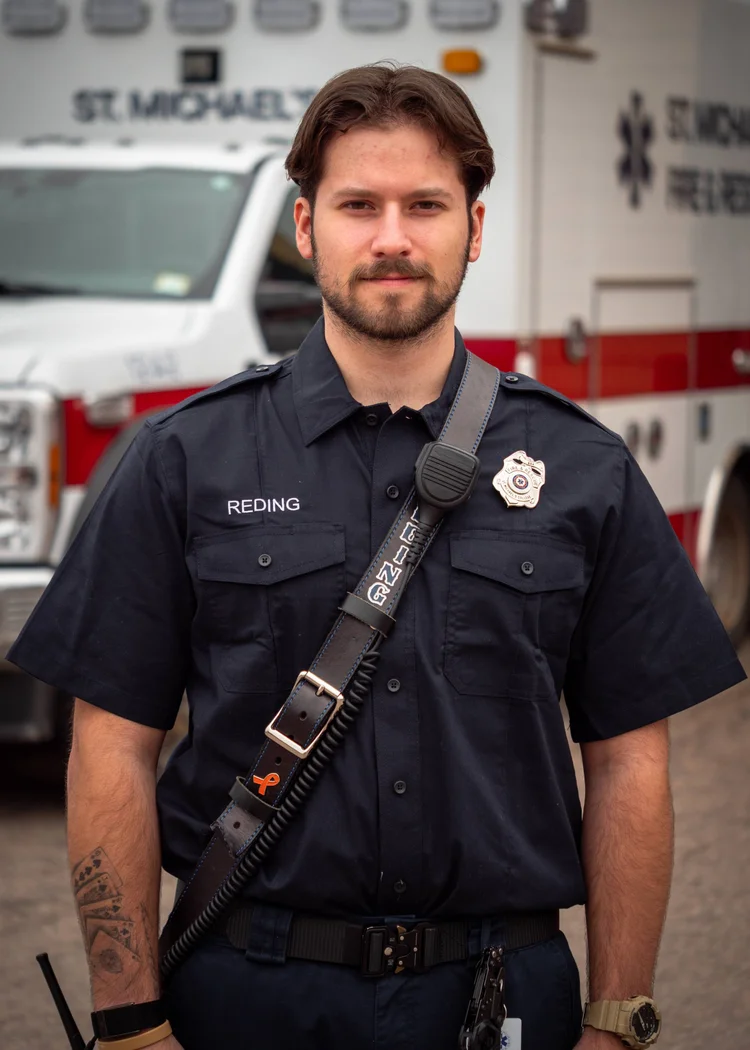
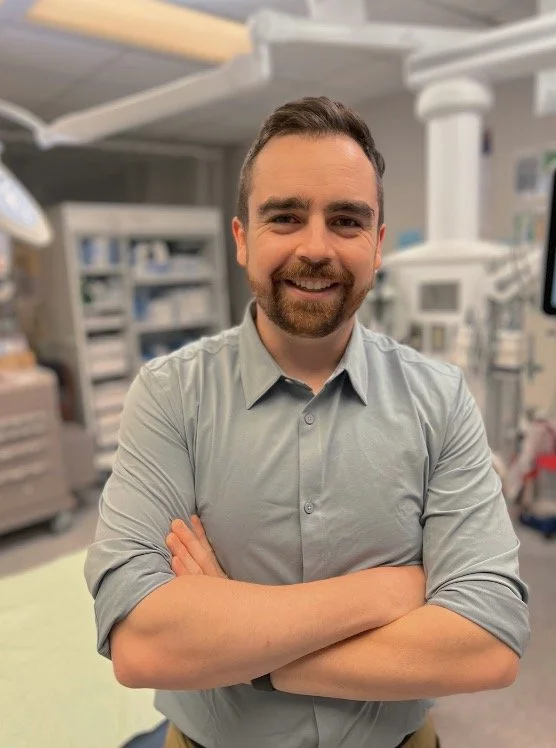
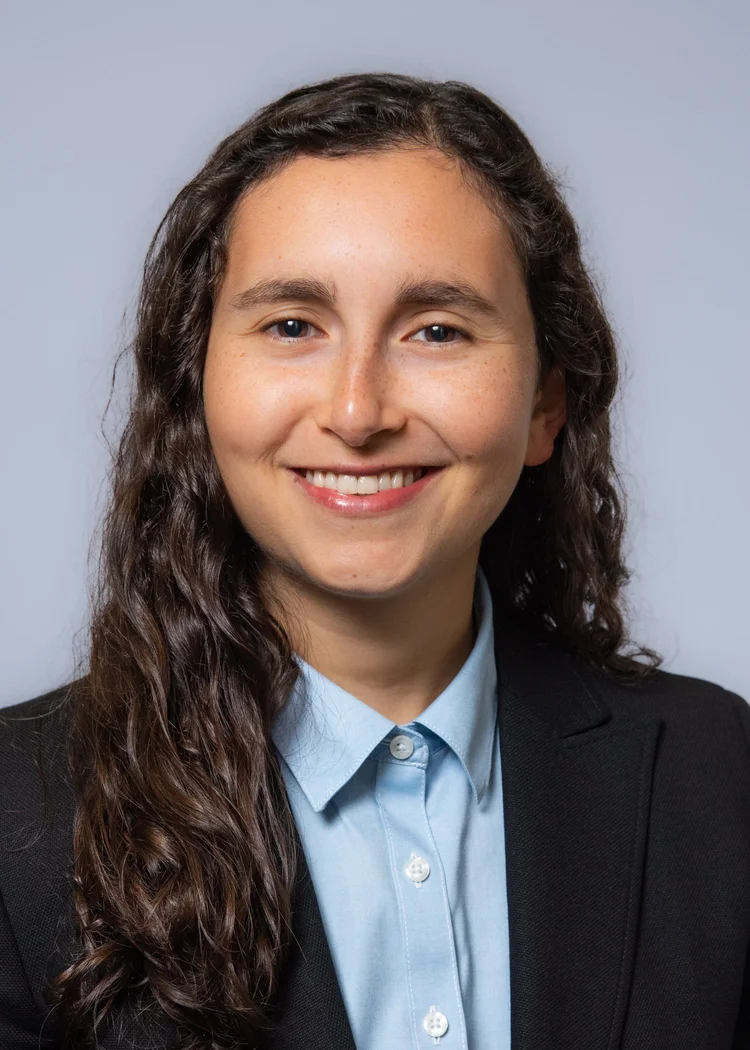
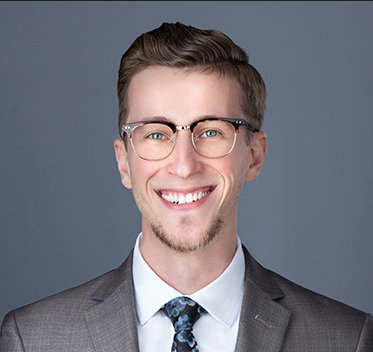
Calum Reding, AEMT
About the speakerCalum Reding is a student in the Master's of Medical Sciences program at the University of Vermont's Larner College of Medicine, working toward a career in neurosurgery. He began his EMS career at Saint Michael's College and currently coordinates patient transport across hospital systems in Vermont and eastern New York, as well as to Dartmouth and Boston-area centers. This presentation draws on his prehospital experience alongside his clinical mentorship under Dr. Ryan Jewell.
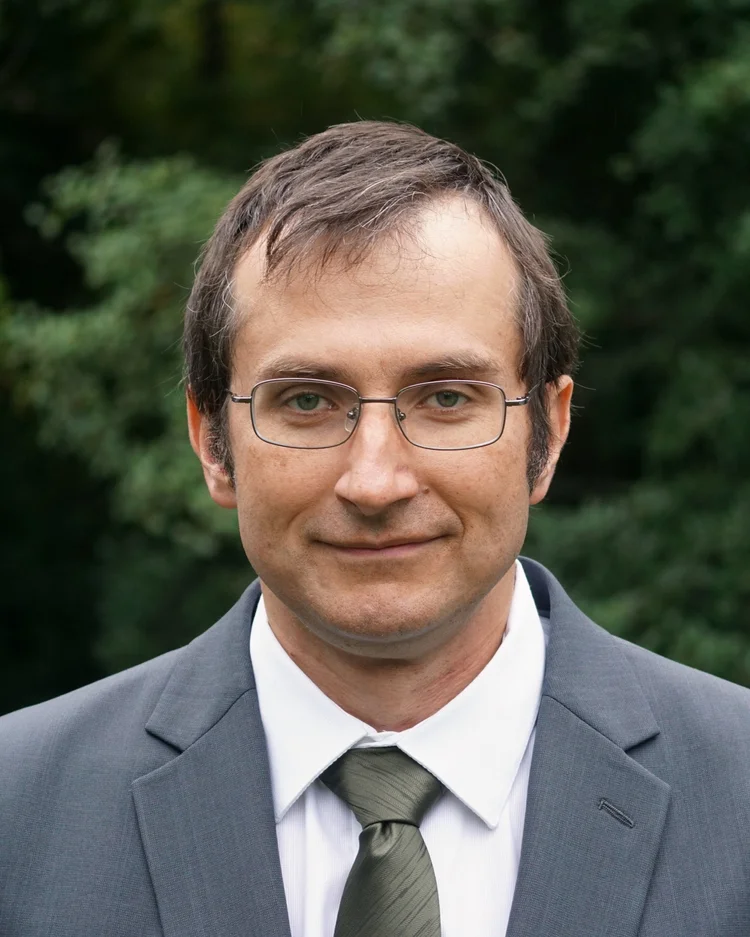
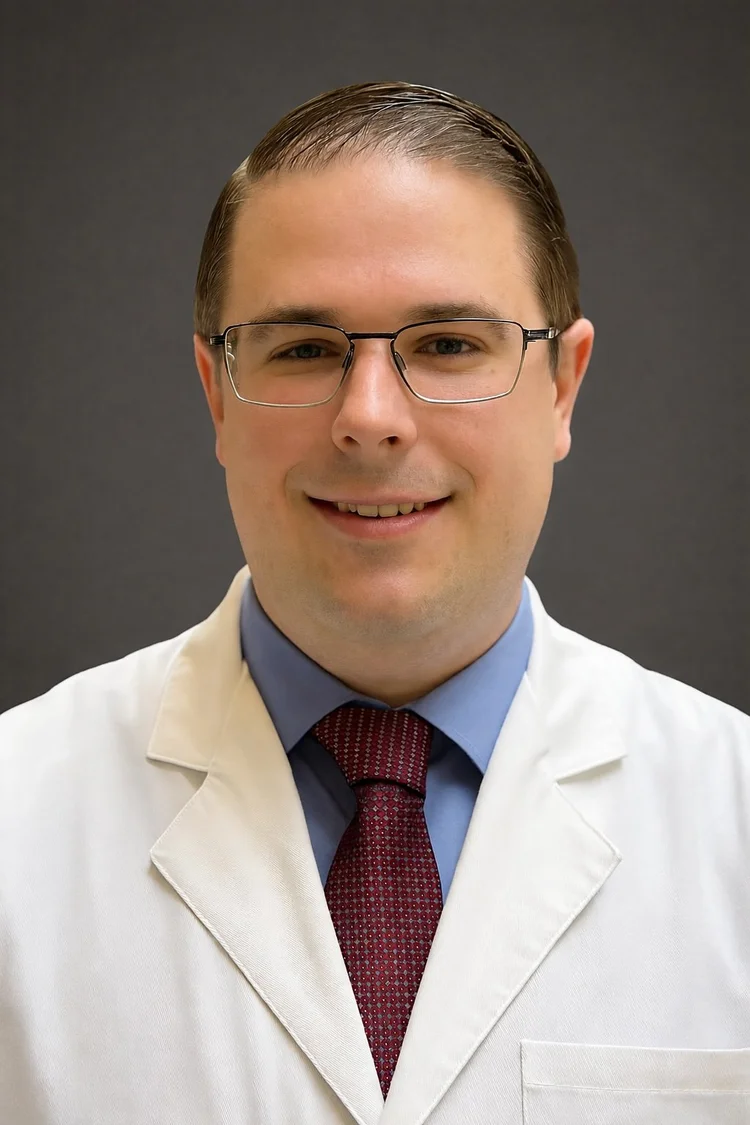
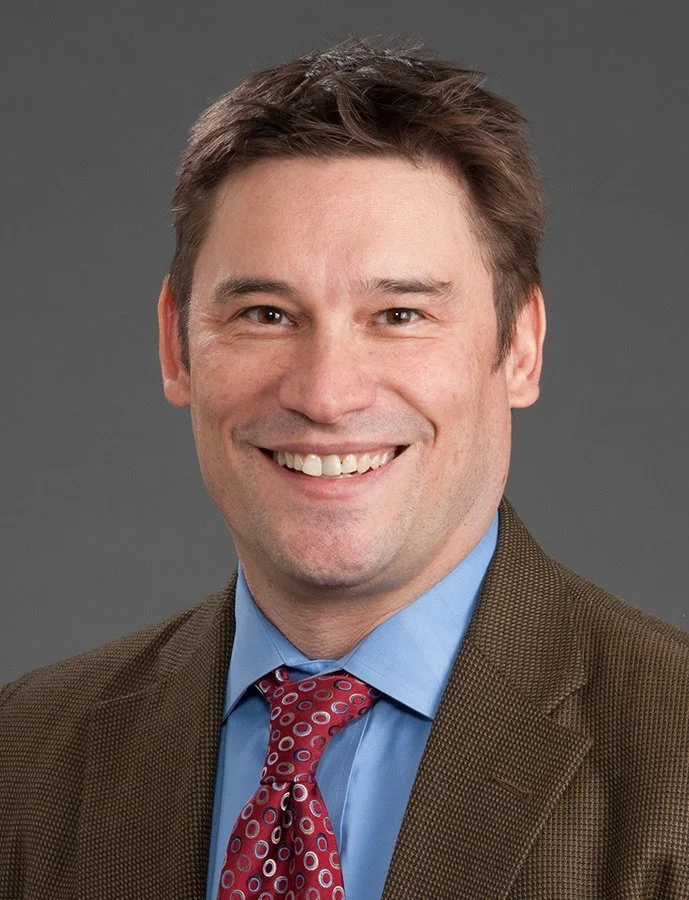
Ryan Jewell, MD
About the speakerDr. Ryan Jewell is a neurosurgeon at the University of Vermont Medical Center and an Associate Professor of Neurological Surgery at the Larner College of Medicine at UVM. He is board-certified by the American Board of Neurological Surgery, and completed both his medical degree and his residency in neurological surgery at the University of Vermont. His academic background includes prior research on trauma-related neurosurgical outcomes.
Livak Ballroom

EMS Journal Club: Bringing evidence based care to the streets.

AbstractEMS clinicians and prehospital leaders have continually pushed the boundary for the care we can provide in the field. Part of this is the growth of prehospital research and evidence based medicine. During my time in fellowship, we created and implemented a successful EMS journal club to engage prehospital clinicians, across a variety of training levels, in academic discussion. We found this to be very successful and appreciated by all who attended. This session will look at the successes, challenges, model and feedback regarding this process. We will explore EMS clinician's thoughts regarding this model. We hope to spread our process and model for successful implementation across the region.
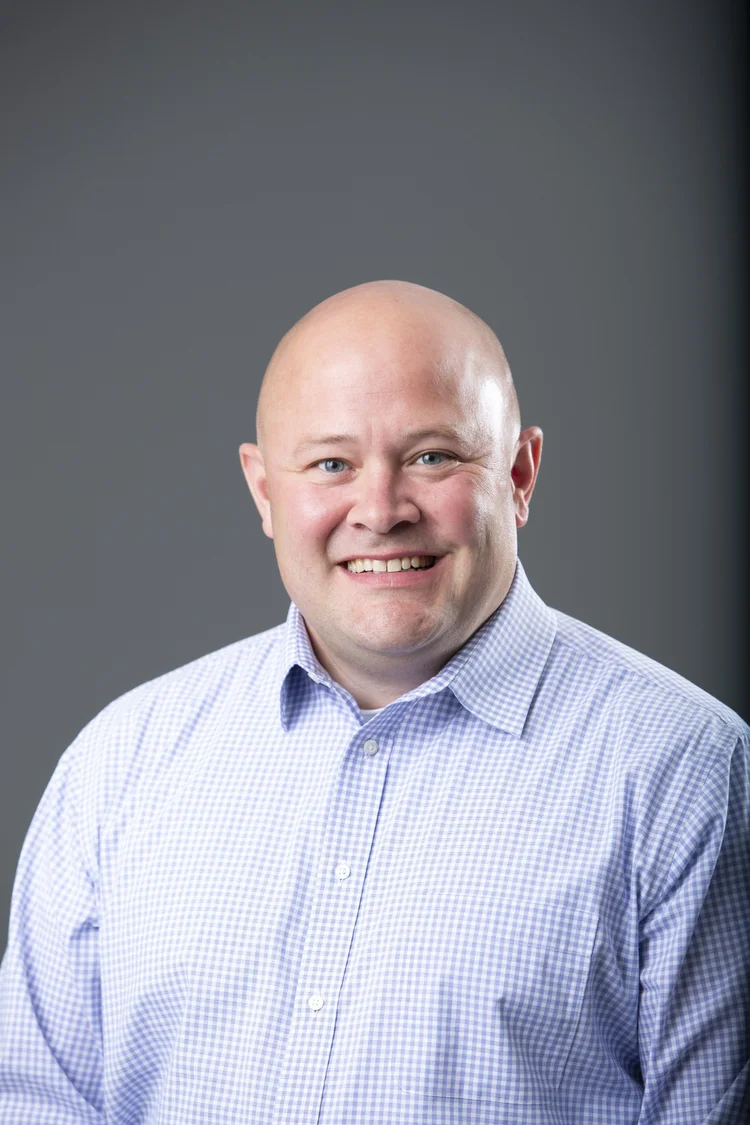
Michael Doyle, DO
About the speakerMichael Doyle is an enthusiastic EMS physician. He started his medical education at the University of New England College of Osteopathic Medicine. He continued his training at Albany Medical Center where he completed his emergency medicine residency followed by an EMS fellowship. As a recent graduate, he is starting his career at Southwestern Vermont Medical Center emergency department and serving as the local district medical advisor. In his free time, he enjoys the outdoors, DIY home and auto projects and broadening his skills. He enjoys his time in the EMS community and is looking forward to advancing the field through his role as an EMS physician.
Chittenden Bank Room

Stop the Flash: Recognizing and Treating SCAPE in Prehospital Care

AbstractSympathetic Crashing Acute Pulmonary Edema (SCAPE) is one of the most dramatic and time-critical presentations a transport team will encounter, a patient in florid respiratory failure driven by an acute catecholamine surge, not simple volume overload. Traditional heart failure teaching (diuretics first, slow and steady) can actively harm these patients if misapplied. This talk covers the pathophysiology that separates SCAPE from chronic decompensated heart failure, the evidence base and evolving history behind its treatment (high-dose nitrates, noninvasive ventilation, and the diminishing role of diuretics and opioids), and how to translate that management into the resource-constrained prehospital environment.
Jacob Markwood, MD, NRP, FP-C
About the speakerJacob Markwood, MD, NRP, FP-C is a chief resident in Emergency Medicine at Dartmouth-Hitchcock Medical Center and a crew member of DHART, the institution's critical care transport team. Prior to medical school at Dartmouth Jacob worked full-time as 911 and critical care transport paramedic in rural Vermont. His clinical and academic interests center on airway management and resuscitation in transport medicine, which has included publications on peri-intubation hemodynamic collapse and lung protective ventilation of trauma patients. He is preparing to begin an EMS fellowship with the goal of practicing as a flight physician and medical director for a critical care transport program. He brings the unique perspective as a provider, researcher and educator, across the full spectrum of prehospital and emergency care.
Jost Foundation Room

Hybrid Education: It’s Not Just a COVID Strategy

AbstractWhat does it take to facilitate quality EMS education in an era where multiple online modalities exist? EMS educator Tyler Molleur will be joined by EMS educator Courtney Newman to review lessons learned education during the COVID pandemic and ongoing efforts post-pandemic to create structured, interactive, and inclusive environments for learners to succeed in developing consistent EMS practices.
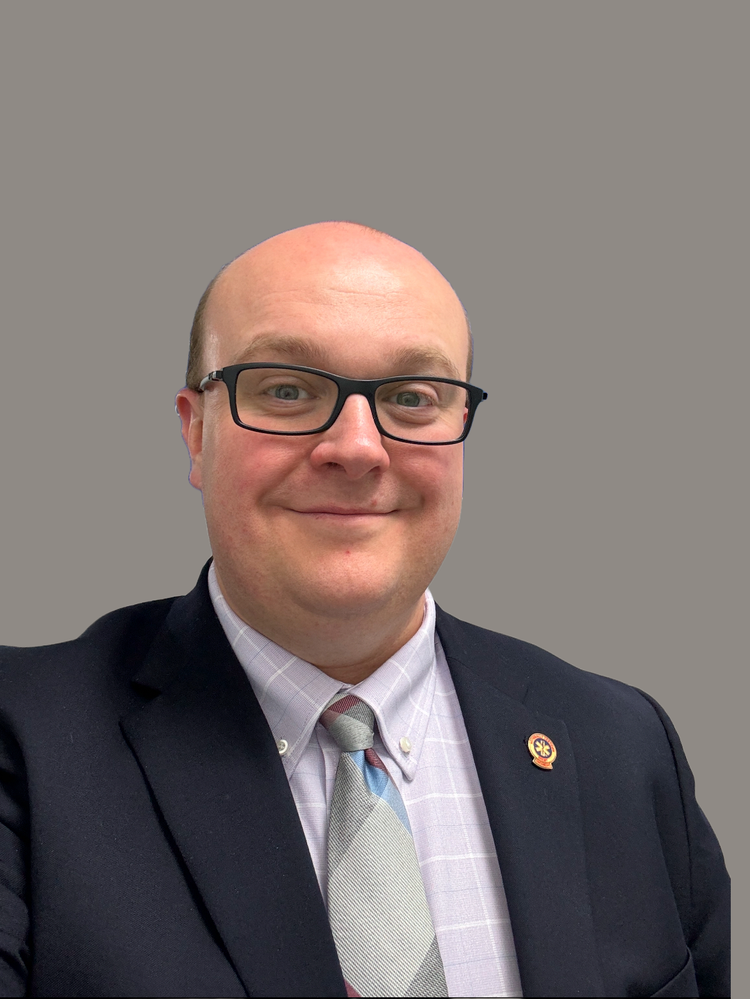
Tyler Molleur, NRP, MSN
About the speakerTyler Molleur is a clinical assistant professor in the Department of Nursing at the University of Vermont, where he became full-time faculty in 2020. During this time, he has taught adult health education to graduate and undergraduate nursing students, as well as courses in public health, pathophysiology, and leadership. Molleur's educator experience includes extensive work in the field of EMS developing and delivering hybrid EMS education through the University's Initiative for Rural Emergency Medical Services (IREMS) program. Molleur is a Nationally-Registered Paramedic with 15 years of prehospital emergency care experience and five board certifications from Board Certification for Emergency Nursing (BCEN)
1040–1105Break & Exhibitor Time
1105–11504 concurrent sessions · 45 min · choose one
Grand Maple Ballroom

Trauma Topic

AbstractDetails coming soon.
Speaker TBA
About the speakerDetails coming soon.
Livak Ballroom

Pre-Hospital Pediatric Trauma - A Zen Approach

AbstractThe objective of this presentation is to give the pre-hospital provider some pediatric specific knowledge and tools to enable them to provide appropriate and definitive care. The approach of the presentation is to build on the knowledge and skills they already have and build their confidence in delivering care to the pediatric trauma patient. The content will cover some differences between

pediatric and adult trauma patients, including mechanism and how it impacts the index of suspicion for injury in a pediatric patient. It will also discuss transport options – securement devices for transport, destination choices (closest hospital vs Pediatric Trauma Center), & mode of transport (when to call for a helicopter).
Lola Whalen, RN, CFRN, EMT
About the speakerI have been a nurse for over 40 years. Early in my career I spent 10 years at Cook County

Trauma in Chicago treating both pediatric and adult patients. I have been a flight nurse for almost 30 years. Starting with AeroCare International Air Ambulance (Fixed Wing) in Illinois, then CalStar (Rotor Wing) in California, then DHART (Rotor Wing) in New Hampshire, and currently working on the Yale New Haven Children’s Hospital Pediatric Critical Care Transport Team (Ground Ambulance and Rotor Wing) in Connecticut. Much of my career has been pre-hospital scene response. I have also participated in education for EMS providers, transport peers, and Physicians. I have presented locally and at the AirMedical Association National Conference three times.
Chittenden Bank Room

Closing the Loop: Turning EMS Documentation into Clinical Quality Improvement

AbstractNearly every EMS agency wants to review every chart. Very few realistically can. High call volumes, limited QI staff, and time spent chasing documentation corrections often mean review focuses on what gets opened rather than what most needs attention. This session explores how EMS organizations can move toward a more focused, risk-based approach to quality improvement. Not every chart requires the same depth of review. By using documentation and clinical signals to identify records most likely to contain patient care, protocol, documentation, or compliance concerns, agencies can direct limited QI resources where they can have the greatest impact. We will also examine one of the most important gaps in EMS quality improvement: the feedback loop. Clinicians often never learn whether their assessment, treatment decisions, or clinical impressions were supported by the patient’s eventual outcome. Meaningful CQI requires more than identifying problems. It requires giving providers useful feedback and, when possible, connecting prehospital care with outcome information. Finally, we will look at how automation and AI can support this process through narrative assistance, completeness checks, and identification of potential concerns across large volumes of records. These tools can help focus human attention, but clinical oversight remains essential. Attendees will leave with practical strategies for prioritizing chart review, strengthening provider feedback, and using technology to support a more effective and sustainable CQI program.
Chris Smith
About the speakerChris Smith is a Technical Account Manager at ImageTrend and a 23-year EMS veteran whose experience spans municipal fire service, ground critical care, flight medicine, clinical quality improvement, and EMS data management. Since joining ImageTrend in 2023, he has partnered with state EMS offices and agencies across the country to improve documentation, data quality, reporting, and operational performance. Before joining ImageTrend, Chris led EMS quality improvement initiatives supporting more than 22,000 incidents annually, giving him firsthand experience with the challenges of reviewing high-volume EMS systems with limited time and resources. That experience shaped his interest in finding practical ways to use documentation and data to identify meaningful opportunities for improvement rather than simply collecting information for compliance or reporting. Chris frequently speaks on EMS quality improvement, documentation, automation, and data-driven decision making. His focus is on helping EMS organizations turn the information they already collect into actionable insights that strengthen clinical practice, support providers, and ultimately improve patient care.
Jost Foundation Room

Wave-Powered Insights: Prehospital Ultrasound Acquisition and Applications

AbstractWith the recent incorporation of ultrasound into the Vermont State EMS Protocols, EMS clinicians and their agencies may be asking themselves how best to use this technology to improve patient care. This talk provides an overview of the potential benefits and limitations of the four approved indications for prehospital ultrasound in Vermont: eFAST for trauma, pulmonary exam for dyspnea, cardiac exam for cardiac arrest, and vascular exam for intravenous access. In this session, we will review indications for point-of-care ultrasound in the prehospital setting, review representative images and how to obtain them, and dive into the research supporting its use. Whether you have zero experience with ultrasound imaging or you are fine-tuning your techniques and want to learn more about the literature supporting its use, this lecture will have important takeaways for anyone hoping to add more skills to their practice.
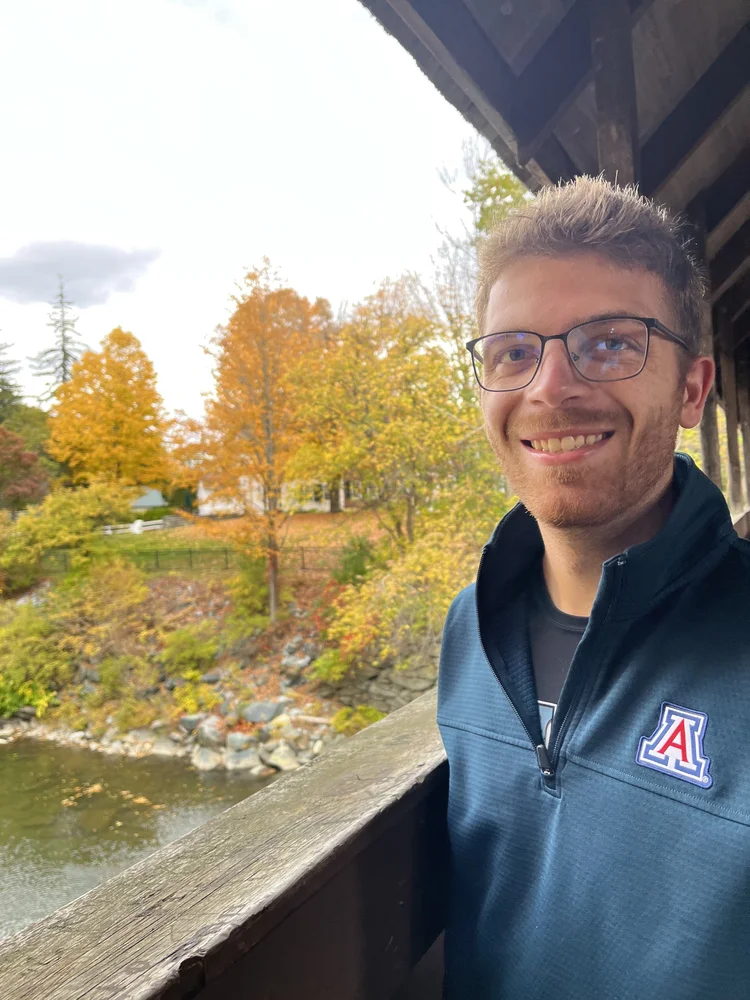
Luke Wohlford, MD, MPH
About the speakerLuke Wohlford is an EM and EMS physician at the University of Vermont Health Network, working clinically at the University of Vermont Medical Center and Porter Medical Center. He fell in love with EMS after joining his collegiate EMS agency at the University of Arizona, going on to work several EMS jobs before and during medical school at the University of Arizona College of Medicine - Phoenix. His interest in public health and EMS led him to pursue an MPH with the University of Arizona. He completed his residency at the University of Vermont, followed by an EMS fellowship at the University of Michigan.
1200–12304 concurrent sessions · 30 min · choose one
Grand Maple Ballroom

Trauma Topic

AbstractDetails coming soon.
Speaker TBA
About the speakerDetails coming soon.
Livak Ballroom

This One Is All About Checklists: Why You Should Care and How You Can Use Them

AbstractEMS providers operate in one of the most cognitively demanding environments in medicine. High workload, fatigue, interruption, and time pressure combine to create fertile ground for a specific and dangerous phenomenon: prospective memory failure — the inability to carry out a planned action due to distraction. This is not a failure of knowledge or skill. It is a failure of working memory under load, and it happens to experts routinely. High-Reliability Organizations — aviation, nuclear power, space exploration, and special operations — recognized this problem decades ago and responded with a simple, evidence-backed solution: the structured checklist. Aviation's experience is perhaps most notable: when the Boeing Model 299 crashed in 1935 due to a preventable crew error, the military's response was not additional training, it was a checklist. The result was one of the most reliable safety records of any complex industry. Medicine has followed, to an extent. Atul Gawande's work and the WHO Surgical Safety Checklist demonstrated measurable reductions in surgical complications and mortality. In emergency medicine and EMS specifically, the evidence shows consistent improvements in process adherence — fewer omitted steps, better guideline compliance, and enhanced team coordination. The effect on hard clinical outcomes such as mortality is more mixed, particularly outside the operating room, and this presentation takes an honest look at what the data does and does not support. Not all checklists are the same. This presentation introduces a practical three-mode framework for EMS providers: the Read-Do checklist for complex, low-frequency setup tasks; the Challenge-Response checklist for time-critical team verification before a point of no return; and the Crisis Cognitive Aid, a navigational tool for the team leader during rare, chaotic events. Each mode has a distinct structure, use case, and evidence base. The presentation concludes with a practical design framework for building effective EMS checklists — from identifying high-stress triggers and distilling critical actions from state protocols, to formatting tools for rapid use in the ambulance environment. The Maine EMS Crisis Manual is introduced as a locally developed example, with adaptations for both large municipal systems and rural solo responders. Participants will leave with a concrete framework they can apply immediately in their own practice.
Jack Lewis, DO, NRP
About the speakerJack Lewis, DO, NRP Jack’s EMS career began in 2008 after getting my EMT-B during my senior year of high-school. During college, he became an EMT Intermediate before graduating as an English major and transitioning toward medicine. While finishing pre-med courses, Jack worked as a paramedic and firefighter for a variety of services in central Maine including Delta Ambulance, Redington Fairview, Waterville Fire, Topsham Fire, and Biddeford Fire. After finishing medical school at the University of New England College of Osteopathic Medicine, he completed my Emergency Medicine residency at Albany Medical Center before coming back to Maine for the Maine Medical Center EMS Fellowship program. Since graduating from Fellowship, he has been very lucky to work as the Mountain Region Medical Director for MaineHealth EMS as well as the for several smaller EMS agencies. Currently Jack is serving as the State Medical Director for Maine EMS and practicing clinically at MaineHealth Maine Medical Center Portland.
Chittenden Bank Room

Where the Rubber meets the Road...

AbstractEMS providers can do “ride time” better. Arguably the most important part when it comes to EMS education is one of the least focused on. In this talk, attendees will come away with a deeper, more nuanced understanding of rider needs and how expectations can be set on both sides so that the next generation of EMS providers can find success and satisfaction in this career. Successful ride time comes from understanding the needs of the rider, understanding expectations, and skills on the part of the EMS provider.
Devin Krevetski, NRP
About the speakerDevin Krevetski has been a paramedic in Vermont since 2012. He has worked for multiple agencies in Vermont and has been a Critical Care Paramedic Shift Supervisor for Barre Town EMS since 2018. Devin’s observant analytical approach to EMS has provided ample opportunity to affect positive change in his local EMS system. Devin is passionate about improving the profession he has chosen for his life's work and has mentored and helped develop paramedics who currently work across the state.
Jost Foundation Room

From Evidence to Ambulance: Building Vermont’s Prehospital Blood Protocol

AbstractHemorrhagic shock requires more than rapid transportation and crystalloid resuscitation. Early blood-product administration can begin replacing what the patient is actually losing, but safely bringing blood into the prehospital environment requires a protocol that integrates clinical evidence with the realities of EMS operations.

This session introduces Vermont’s new prehospital blood product administration protocol for adult and pediatric patients with suspected life-threatening hemorrhage. The protocol establishes a statewide clinical framework for paramedics, critical care paramedics, and approved specialty programs operating under agency medical director oversight. It addresses both traumatic and medical sources of hemorrhage, including penetrating torso trauma, blunt polytrauma, severe extremity bleeding, suspected internal hemorrhage, gastrointestinal bleeding, ruptured abdominal aortic aneurysm, and postpartum hemorrhage.

Participants will examine how the protocol uses physiologic findings—including systolic blood pressure, shock index, heart rate, perfusion, mental status, active bleeding, and clinical deterioration—to support timely transfusion decisions. The session will also walk through field initiation of blood products, including product verification, baseline assessment, vascular access, filtered administration tubing, initial transfusion rate, five-minute reassessment, hypothermia prevention, and early receiving-facility notification.

Because a successful blood program requires more than a clinical indication, the presentation will address operational safeguards such as temperature and storage compliance, two-person verification when available, blood-bank reconciliation, documentation, transfusion-reaction management, and mandatory quality review. The roles of hemorrhage control, minimized crystalloid administration, tranexamic acid, calcium, transport destination, and definitive hemorrhage control will be discussed within the larger resuscitation strategy.

Attendees will leave with a practical understanding of when prehospital blood is indicated, how to administer it safely, and what clinical, operational, and quality systems must exist to support a sustainable EMS blood program. The session will also share lessons from translating national evidence and transfusion guidance into a protocol designed for Vermont’s diverse urban, rural, and prolonged-transport environments.
Marley Blood, NRP, FP-C, CP-C
About the speakerMarley L. Blood, NRP, FP-C, CP-C, is a paramedic and the Quality and Patient Safety Captain at Bennington Rescue Squad. Her work focuses on clinical excellence, just culture, quality assurance, medical protocol development, and translating evidence into practical prehospital care. She has experience in EMS education, field training, medical direction coordination, and system-level quality improvement. Marley co-authored Vermont’s new prehospital blood product administration protocol and has contributed to statewide clinical initiatives intended to expand access to evidence-based care. She is also the creator of Roll for Response, a tabletop role-playing game that transforms EMS education, simulation, and quality improvement into collaborative, decision-based learning.
1230–1330Lunch & Exhibitor Time
1230–1330VT EMS Advisory Committee Town Meeting · Livak Ballroom · open to all
1330–14302 concurrent sessions · 60 min · choose one
Grand Maple Ballroom

EMS for Children - Live Case Webinar

AbstractWe will replicate our running EMS for Children Case Webinar.

We will feature a Pediatric Topic and review cases with the EMS teams that provided care.
Dave Nelson, MD, FAAP, FAAEM
About the speakerDavid Nelson, MD, FAAP, FAAEM is a Pediatric Emergency Physician at the University of Vermont Medical Center. He enjoys teaching about, and encouraging, pediatric readiness and preparedness at the pre-hospital, hospital, and state level.
Kate Soons, RN
About the speakerKate Soons is a critical care nurse and advanced EMT. She has worked in the Vermont EMS system since 1989. Kate is the Director of Health Science and Emergency Services at St. Michael’s College and enjoys teaching the Advanced EMT course and pediatric preparedness.
Livak Ballroom

Lightning Case Presentations

AbstractDetails coming soon.
Presenters TBA
About the speakerDetails coming soon.
1440–15254 concurrent sessions · 45 min · choose one
Grand Maple Ballroom

Trauma Topic

AbstractDetails coming soon.
Speaker TBA
About the speakerDetails coming soon.
Livak Ballroom

Neuro-Critical Care in the Field: Beyond the Stroke Scale

AbstractNeurological emergencies extend far beyond a simple "positive" stroke screen. In this case-based lecture, we dive into the nuances of advanced neuro care for both the 911 and interfacility transport settings. Topics include the management of intracranial hemorrhage, hemodynamic titration for neuro-protection, and the emergent treatment of status epilepticus. We will bridge the gap between the field and the neuro-ICU, ensuring providers are equipped to manage the most complex "head" cases and understand the advanced imaging and interventions awaiting their patients.
Thomas Latosek, MD, MS, NRP, EMS-I
About the speakerTom Latosek, MD, MS, NRP, EMS-I is a board-certified Emergency Physician and a Critical Care/Resuscitation Fellow at Hartford Hospital in CT. Dr. Latosek’s clinical foundation began in 2007 in the Connecticut EMS system, he has served as a paramedic and EMS instructor. He completed his undergraduate studies at Bucknell University, earned a Master of Science in Neuroscience from the University of Hartford, and received his Doctor of Medicine from Ross University School of Medicine. He completed his emergency medicine residency at University of Connecticut and completed a fellowship in anesthesiology critical care medicine with the University of Connecticut. His professional interests include advanced resuscitation science including the use of extracorporeal life support, critical care transport, and medical education.
Chittenden Bank Room

Think Globally Act Locally! Community Strategies to Improve Sudden Cardiac Arrest Survival

AbstractSudden cardiac arrest remains a leading cause of preventable death, yet survival varies dramatically between communities. Improving outcomes requires more than excellent clinical care; it requires a coordinated community-wide system focused on early recognition, rapid bystander intervention, high-quality resuscitation, and continuous performance improvement.

“Think Globally, Act Locally! Community Strategies to Improve Sudden Cardiac Arrest Survival” explores how communities can translate established best practices into practical, locally driven strategies for improving cardiac arrest outcomes. Utilizing the Citizen CPR Foundation’s HEARTSafe Community model as a framework, this presentation highlights the critical role of collaboration among EMS agencies, emergency communications centers, hospitals, public safety organizations, community leaders, and citizens.

A central focus of the presentation is the development of a local cardiac arrest quality improvement collaborative that brings stakeholders together to evaluate performance across the entire chain of survival. Participants will be introduced to a flexible and adaptable model for implementing measurable process improvements, including cardiac arrest registry participation, dispatcher-assisted CPR, community CPR and AED education, first-responder engagement, high-performance CPR, post-resuscitation care, structured case review, and survivor recognition.

Rather than prescribing a single solution, this presentation emphasizes the importance of understanding local resources, identifying gaps in the system of care, establishing meaningful performance measures, and using data to drive continuous improvement. Attendees will leave with a practical framework for bringing community partners together and transforming evidence-based recommendations into sustainable local action.

Ultimately, improving sudden cardiac arrest survival is a community responsibility. By thinking globally about proven strategies while acting locally to strengthen each link in the chain of survival, communities can build systems that give every cardiac arrest victim the best possible chance of survival.
James Suozzi, DO, NRP, FACEP, FAEMS
About the speakerJim Suozzi, D.O. NRP, FACEP has been involved in EMS for over 35 years. He is currently the Associate Medical Director of Emergency Medicine and the EMS Medical Director at Cheshire Medical Center/Dartmouth Health - Keene, NH. Dr. Suozzi also serves as the Medical Director for New Hampshire e911 and is the Vice Chair of the Citizen CPR Foundation’s HeartSafe Program Advisory Committee. He is board certified in Emergency Medicine and Emergency Medical Services.
Sarah Lamb, NRP
About the speakerSarah Lamb is a paramedic and training officer with Richmond Rescue. She was one of the first instructors helping to roll out High Performance CPR to Vermont EMS and has been involved with multiple other EMS initiatives for the state from Ready, Check, Inject to surgical crics to developing Wilderness EMS Protocols.
Jost Foundation Room

Home, Hazardous, Home: Your Guided Tour to Domestic Dangers

AbstractHazardous materials calls are HALO events. But despite concerted efforts to discuss MCIs, terrorism, and high risk procedures like cricothyrotomies, the ever present threat of exposure to common hazards at home is rarely discussed.
This presentation will take a room by room approach to chemical hazards in the home from a clinician safety and patient care perspective, discussing common and obscure exposures, unforeseen dangers, and the day to day hazards of the home. We will end with a discussion of chemical suicides, from carbon monoxide to mail order “suicide kits” we will review treatments and the hazards posed to first responders.
By understanding these unique threats, clinical and field personnel will be better prepared to respond safely, mitigate environmental hazards, and deliver life-saving interventions.
Nicholas Cochran-Caggiano, MD, MS, NREMT
About the speakerBoard certified EMS physician and medical director. Instructor in Advanced Hazmat Life Support and member of midwest NH hazardous materials team
1525–1550Break & Exhibitor Time
1550–16204 concurrent sessions · 30 min · choose one
Grand Maple Ballroom

Why is a broken face a big deal?

AbstractThis presentation will be a focused discussion on trauma to the face. Using a case presentation as the foundation, we will discuss the various traumatic injuries that one can expect to see. We will cover some of the anatomy, pathophysiology, and expected clinical courses of patients. Further, we will discuss some of the complications that emergency medical services may observe (such as ocular compartment syndrome) and actions that may be taken to treat the patient. Further, we will discuss the management of and approach to the difficult airway in the setting of significant facial trauma. We will discuss the approach to intubation, airway adjuncts, and cricothyrotomy. There will also be a discussion on what to consider in the setting of a difficult pediatric airway.
Hannah Miller, MD
About the speakerI am a third-year (PGY-3) Emergency Medicine Resident Physician at the University of Vermont Medical Center. Every day, I take care of trauma patients brought in by EMS providers. I feel that I am qualified, based on experience and scholarly inquiry, to discuss how to identify and manage facial injuries. As someone in direct contact with and often reliant on the care provided by prehospital providers, I feel it is important to include them in the discussion.
Livak Ballroom

Kahoot

AbstractLearn EMS general knowledge in a fun and competitive environment
Laurel Plante, MD, FACEP, FAEMS
About the speakerDr. Laurel Plante, MD, FACEP, FAEMS graduated from the University of Vermont College of Medicine in 2003, and from Tufts-Baystate Emergency Medicine Residency in 2006. Prior to this, she served several years as an EMS provider on Shelburne Rescue and UVM Rescue. Upon graduation, she took a job as an Emergency Medicine attending at Rutland Regional Medical Center where she served as the District 10 EMS Medical Director from 2007-2010. Upon leaving there, she came to UVM Medical Center, where she initially served as the Medical Director of the grant-funded UVM Paramedic course, which graduated 18 new paramedics. This course allowed for paramedicine to start in District 3, the largest EMS District in Vermont (and the only one transporting primarily to UVM Medical Center, the only Level 1 Trauma Center in Vermont). After the completion of this class, Dr. Plante oversaw the implementation of paramedicine in the District and has helped to grow this program from an initial 15 paramedics to now almost 100. As the EMS Medical Director, she provided oversight, guidance and training for roughly 1000 EMS providers at any one time from 2010-2025. Most recently, with a transition in focus towards education, she has accepted the role of the Medical Director of the UVM Health Network EMS Academy as well as the Associate Medical Director of the UVM Health Paramedic Program, overseeing the Vermont/NH portion. Dr. Plante is also an Associate Professor at the Larner College of Medicine and created and is Course Director for the 4th year Medical Student EMS rotation among many other responsibilities.
Chittenden Bank Room

The Space Between: Building the Bridge from EMS to Regionalized Cardiogenic Shock Care

AbstractCardiogenic shock is often quiet before it is catastrophic. Patients may initially have borderline vital signs, dyspnea, chest discomfort, cool skin, impaired perfusion, or subtle deterioration that does not yet trigger the team’s full sense of urgency. By the time shock is obvious, the patient may already be approaching multi-organ failure, peri-arrest physiology, or cardiac arrest. This case-based session examines cardiogenic shock as both a clinical and systems-of-care problem. It explores how EMS clinicians can recognize an evolving shock trajectory, communicate severity and change over time, and connect patients to the right resources before deterioration becomes unmistakable. The discussion emphasizes serial reassessment, perfusion-focused thinking, concise handoffs, and early coordination with emergency departments, referral hospitals, transfer centers, shock teams, and regional cardiogenic-shock centers. The session also addresses what is required to move from isolated recognition to a coordinated regional pathway: shared terminology, hospital capability mapping, consultation and transfer expectations, and feedback across the continuum of care. The goal is not to suggest a universal EMS shock protocol or imply that formal shock-center systems are already standardized nationwide. Rather, attendees will examine where current evidence, expert consensus, and practical operational opportunity meet. Participants will leave with a clearer understanding of what EMS can do today, what agencies and hospitals can build next, and how EMS fits into the development of regional cardiogenic-shock systems of care. Regionalized hub-and-spoke shock-care models and early coordination with a higher-acuity shock center are supported by expert guidance, although standardized national shock-center tiers and robust comparative outcome evidence remain incomplete.
Jon Allen, MD, FACEP, FAEMS, NRP
About the speakerJonathon Allen, MD, FACEP, is a board-certified emergency physician and EMS physician with nearly two decades of clinical, operational, and medical-director experience across Georgia’s hospital and prehospital care systems. He serves as Systems of Care Medical Director for the Georgia Department of Public Health Office of EMS and Trauma, where he supports statewide development, designation, performance improvement, and coordination of trauma, burn, stroke, cardiac, and EMS for Children systems. Dr. Allen also provides medical direction to multiple fire-based EMS agencies, practices emergency medicine within the Wellstar and Northside systems, and serves as an assistant professor of emergency medicine at the Medical College of Georgia. His work centers on evidence-based emergency care, EMS clinical governance, specialty-center designation, and stronger coordination across the continuum of time-sensitive emergency care.
Jost Foundation Room

Perspective taking as a tool in EMS

AbstractThis presentation highlights the value of intentional perspective taking in the prehospital setting. Anyone who has spent time in the healthcare setting - specifically in the pre hospital setting- knows that there are many situations that feel like a nuisance due to the nature of the situation we have been called to- the stubbed toe, the pt who calls three times a week, the one with chronic falls who continuously refuses further evaluation, etc. The countless calls that don’t require us to use the EMS skills we have been trained for can take a toll and add to frequency and duration of seasons of burn out. Having knowledge on the concept of perspective taking and an understanding of practical application in the prehospital setting, is an excellent tool. Providers can be intentional about using the tool of perspective taking similarly to the physical skills they have learned in the classroom. This presentation asks participants to individually reflect on the call(s) that comes over dispatch that makes them roll their eyes or let out a sigh of frustration. We will discuss sympathy as well as cognitive and affective empathy with an emphasis on understanding the settings to use each in. We will also discuss how perspective taking can decrease instances of feeling burnt out.
Courtney Newman, NRP
About the speakerI have been active in the VT EMS system since 2018 beginning my career as a volunteer member of my local EMS agency and ultimately working to obtain my EMT and then AEMT license. I am now working full time as a Paramedic in District 3 where I act as a crew chief, preceptor and the student liaison coordinator. I have spent time working in a local urgent care, UVMMC ED, and in the State EMS Office. Through the various positions I have held, I have had the opportunity to see many different aspects of EMS including implementation of systems and the individuals who work within these systems. Through my experiences, I became passionate about leadership in EMS and finding ways to support fellow clinicians. I am currently working on obtaining my Masters In Leadership Studies with an anticipated end date of August 2027. I am a licensed VT Instructor Coordinator and have taught in multiple courses from EMT to Paramedic.
1630–1730Keynote · 60 min
Grand Maple BallroomKeynote

Evening Keynote

AbstractDetails coming soon.
Speaker TBA
About the speakerDetails coming soon.
1730–1930Welcome Reception · Livak Ballroom

Sunday · March 7

Didactic sessions · Davis Center

0800–0850Coffee, Light Refreshments & Exhibitor Time
0850–0900Introduction & Welcome
0900–1000Keynote · 60 min
Grand Maple BallroomKeynote

Morning Keynote

AbstractCardiac arrest data can feel complicated, but it doesn't have to be. Every EMS system, whether career or volunteer, collects valuable information through its cardiac arrest responses, but do we really understand what our CARES and Utstein reports are telling us?

This engaging session will teach both boots- on-the-ground providers and EMS leaders how to quickly navigate CARES reports and identify the numbers that matter most to them. We'll break down cardiac arrest outcomes by witnessed and unwitnessed status and examine neurological outcomes using CPC scores to demonstrate why not all cardiac arrest saves are the same. Understanding these differences can help field providers communicate realistic expectations with families while giving EMS leaders a clearer picture of their system's performance.

But knowing your numbers is only the beginning. What do you do with them? Drawing on lessons from the Resuscitation Academy, we'll explore practical strategies that can move the numbers in the right direction. Focusing on five key areas, we'll show how EMS systems can turn their data into immediate, actionable improvements. Whether you are a new provider or an experienced EMS leader, you will leave with a better understanding of what your CPR data is saying and more importantly, what you can do about it.
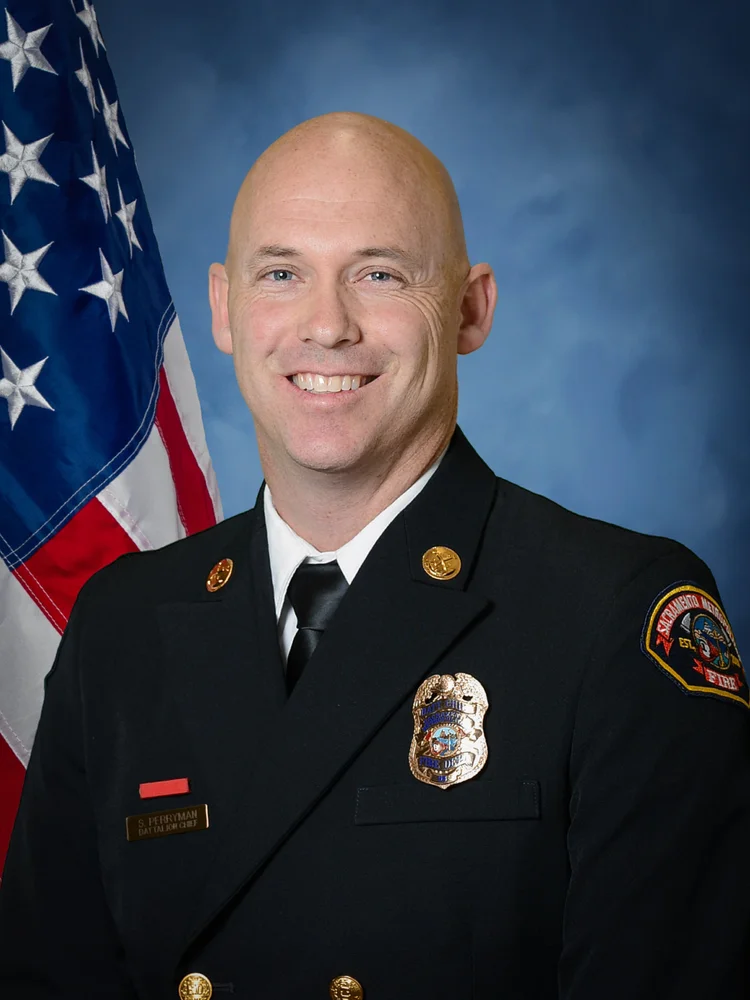
Scott Perryman, NRP, PA
About the speakerI bring more than 25 years of EMS experience spanning field operations, education, EMS leadership, and hospital emergency medicine. I have served as an EMS Operations Captain, Battalion Chief involved in EMS, Paramedic FTO, and EMT and Paramedic instructor with UC Davis. I worked in three different emergency departments as a Physician Assistant, providing firsthand perspective on both the prehospital and hospital sides of cardiac arrest care.

This combination of experience gives me a unique understanding of how prehospital decisions, system performance, and hospital outcomes intersect and most importantly, how they affect the patient. My experience analyzing cardiac arrest data and using it to identify opportunities for improvement, combined with my work as an educator and EMS leader, allow me to translate complex data into practical lessons that can be applied by both field providers and EMS leaders.
1010–10404 concurrent sessions · 30 min · choose one
Grand Maple Ballroom

Dungeons, Dragons, and Difficult Decisions: The EMS Consult Quest Through Live Action Role Play

AbstractAfter a decade of managing EMS consult calls, we have learned that the most challenging cases rarely involve medications, procedures, or protocols. Instead, they involve people—patients, providers, law enforcement officers, families, and clinicians attempting to navigate uncertainty while balancing autonomy, safety, and risk.

In this highly interactive session, participants will embark on a series of guided "quests" based on real-world EMS consult cases. Through live-action role play (LARP), attendees will experience challenging encounters involving psychosis, suicidal ideation, intoxication, refusal of care, protective custody, and conflicting stakeholder priorities. Participants will assume the roles of field providers, consulting physicians, patients, family members, and law enforcement personnel as they work through complex scenarios where there may be no perfect answer.

Along the journey, we will explore the practical application of medical capacity assessment, clarify the distinction between capacity and competency, and discuss approaches to managing situations in which EMS, law enforcement, consulting clinicians, and patients do not share the same goals. Special emphasis will be placed on strategies that improve communication, develop shared mental models, and strengthen relationships between field providers and medical consultation resources.

Whether facing a patient seemingly possessed by "purple slugs," an intoxicated individual refusing care, or a family demanding psychiatric evaluation despite unclear evidence of acute risk, attendees will leave with practical tools to approach difficult consults, improve decision-making, and transform challenging conversations into collaborative problem-solving opportunities.
Doug George, MD
About the speakerDr. Doug George is an Associate Professor at the University of Vermont Larner College of Medicine and a Prehospital and Emergency Medicine physician with the University of Vermont Health. He serves as an EMS Physician and Medical Director for the University of Vermont Health Critical Care Transport Team and as the District Medical Advisor for Vermont EMS District 3.

Dr. George also functions as an operational physician and Medical Director for Vermont Urban Search and Rescue Task Force 1 (VT-TF1), Vermont State Police Special Operations Group and provides tactical medical support to local, state, and federal agencies.

He is a graduate of Loyola University Chicago Stritch School of Medicine, completed his Emergency Medicine residency at Boston Medical Center, and pursued fellowship training in prehospital medicine at the University of New Mexico.
Danielle Goodrich, NRP
About the speakerI have 13 years of critical care transport experience and currently function as the clinical coordinator and a flight paramedic for the UVM HealthNet Critical Transport system. I have presented at ECHO, AMTC, and CCTMC in addition to teaching EMS classes for The University of Vermont and abroad in Honduras. Prior to transitioning to critical care, I worked in various EMS systems for 11 years and as the training officer for a combination 911 department. I am also involved with the IBSC as a subject matter expert for the FP-C and CCP-C exams. Functioning as the clinical coordinator and as a subject matter expert require expertise in all areas of clinical care provided in the prehospital setting.
Livak Ballroom

Pelvic Binders in Prehospital Trauma Care: Why They Remain Essential and How We Can Improve Their Use

AbstractComplex pelvic fractures are severe injuries associated with substantial morbidity and mortality. Mortality associated with pelvic fractures generally results from hemodynamic instability due to major intrapelvic hemorrhage. Early hemorrhage control is often critical to survival, and over the past few decades, pelvic binders have emerged as an important first-line intervention. Pelvic binders are particularly valuable in the prehospital environment, where definitive hemorrhage control measures are unavailable and rapid, low-risk interventions are essential. They can be applied quickly, require minimal resources, and carry relatively little risk when used appropriately. Although high-quality evidence demonstrating a definitive benefit in mortality or other patient-centered outcomes is lacking, pelvic binders have a strong physiologic rationale and favorable risk profile. Given the potentially catastrophic consequences of uncontrolled pelvic hemorrhage, pelvic binders should remain a mainstay of prehospital trauma care even with limitations in the existing evidence.

Despite their widespread use, the literature consistently identifies opportunities to improve prehospital pelvic binder application. First, pelvic binders are frequently positioned incorrectly. Pelvic binders are intended to be placed over the greater trochanters, but in practice they are often positioned high along the iliac crests. This can result in inadequate volume reduction of the pelvic ring and decrease binder effectiveness. Second, unstable pelvic fractures are commonly missed in the prehospital setting when assessment relies primarily on physical examination. Even within physician-staffed helicopter EMS systems, studies have reported prehospital recognition rates of unstable pelvic fractures as low as 46.5%, with only 44.1% of these patients receiving pelvic binders.

This presentation will review the current evidence supporting pelvic binder use, discuss limitations in the existing literature, and identify common pitfalls in prehospital application. Practical strategies for improvement will be emphasized, including regular skills training, reinforcement of correct placement techniques, and consideration of empiric binder application based on mechanism of injury, hemodynamic status, and overall clinical presentation rather than physical examination findings alone. By improving recognition and application practices, EMS clinicians can optimize the use of a simple, low-risk intervention in patients with potentially life-threatening pelvic injuries.
Jacob Lilienfeld, MD
About the speakerJacob Lilienfeld, MD is a first-year emergency medicine resident physician at the University of Vermont Medical Center. Prior to medical school, he worked as an EMT in mountain rescue and EMS, primarily serving as a ski patroller in Crested Butte, Colorado, while also volunteering with the local mountain rescue team and fire department. He earned his medical degree from the University of Colorado School of Medicine, during which he led a research project focused on developing an algorithmic approach to empiric prehospital pelvic binder placement. His academic interests include prehospital trauma care, wilderness medicine, and evidence-based emergency medicine practice.
Chittenden Bank Room

Toxic Inhalational Injuries

AbstractThis is a talk that discusses the pathophysiology of common industrial exposures, specifically as it relates to inhalation injury from airborne chemicals.

It also provides a framework to empirically start treatment based on symptoms.

Based around a real case in Vermont last year, it covers asphyxiants, irritant gases, corrosives and solvents.
Johndavid Storn, MD, FAWM, NRP, DiMM
About the speakerI am an Emergency medicine Physician working with Dartmouth Health. Outside of the ED, I am also an active member with the Hartford Fire Department and Vermont USAR team.

I am an associate Director for the Wilderness Medicine Fellowship at DHMC. I am the medical director for Brattleboro Fire and Mt. Washington Avalanche center, assistant medical director for the USAR team. I have a strong interest in providing education that bridges the gap between field EMS providers and in hospital care.
Jost Foundation Room

The Collapsed Athlete: EMS Rapid Assessment and Management

AbstractExertional collapse is a sport sideline and prehospital emergency for which rapid, structured triage determines survival. The differential is broad but dominated by five entities: sudden cardiac arrest (SCA), exertional heat stroke (EHS), exercise-associated hyponatremia (EAH), hypoglycemia, and benign exercise-associated postural collapse (EAPC). These conditions may have overlapping presentations but warrant different treatments. The goal of this lecture will be to lay out a systematic field approach using level of consciousness, timing relative to exertion, rectal temperature, and point-of-care testing to expedite diagnosis and management. A foundational point of differentiation is consciousness. Athletes with EHS, EAH, and EAPC typically retain some level of consciousness, whereas SCA produces abrupt, complete loss of consciousness, often with agonal gasping and myoclonic jerking that can be mistaken for seizure. Timing is a second key differentiator as collapse during exertion is a red flag for a cardiac etiology, whereas collapse immediately after cessation of activity favors benign EAPC from loss of the skeletal-muscle pump and venous pooling. Rapid assessment prioritizes a cannot-miss approach. Any collapsed, unresponsive athlete should be presumed to have SCA; immediate CPR and early AED defibrillation are paramount, and defibrillation must not be delayed by movements mimicking seizure or breathing. In the conscious or altered collapsed athlete, field testing can reprioritize the differential: rectal temperature and point of care glucose.

Treatment is condition-specific and time-sensitive. EHS (rectal temperature ≥40°C with CNS dysfunction) mandates a cool-first, transport-second. EAH is suspected in endurance events with high fluid intake, slower finishers, altered mentation, and incoordination; management hinges on avoiding hypotonic fluids and administering hypertonic (3%) saline for severe or symptomatic cases. Hypoglycemia, particularly in athletes with insulin-treated diabetes, is corrected with oral or intravenous glucose. EAPC is self-limiting: supine positioning with leg elevation, oral hydration, and attention to electrolytes, with resolution typically within 15-30 minutes.

Disposition and follow-up are essential. Prolonged recovery (>15 minutes), loss of consciousness during exertion, preceding cardiac symptoms, trauma, or cardiovascular risk factors definitely warrant emergency evaluation and cardiovascular assessment before return to play. This lecture will equip EMS and event-medicine providers with an algorithmic approach to ensure rapid recognition and intervention in high acuity sport emergencies.
David Cannata, MD
About the speakerI am a second-year Emergency Medicine Resident at the University of Vermont. I was an EMT prior to medical school, so EMS is close to my heart. I am also passionate about sports and event medicine and find the connection with EMS to be one of the best parts.
1040–1105Break & Exhibitor Time
1105–11504 concurrent sessions · 45 min · choose one
Grand Maple Ballroom

Management of Potential Spinal Injuries: The Cutting Edge

AbstractPrinciples around management of potential spinal injuries have become uncertain, with practices like immobilization considered absolutely critical for decades now being challenged.

This lecture reviews the history of potential spinal trauma and then explores contemporary management proposals. It highlights the recent Wilderness Medical Society clinical practice guidelines (2024), the National Association of EMS Physicians comprehensive literature review and analysis (2025), Nutbeam’s “gentle handling” paradigm (2025), and communications from the American College of Surgeons Committee on Trauma on this subject (2026). While the lecture does review history and evidence, the greater purpose is to build a meaningful and practical practice recommendation for EMS personnel that derives from that history and evidence. In this way the talk is built to be functional, practical, and field-oriented rather than theoretical.
Seth Collings Hawkins, MD, FACEP, FAEMS, FAAEM, MFAWM
About the speakerDr. Hawkins is a board-certified EMS and emergency medicine physician who is licensed in Vermont, New York, and New Hampshire as well as North Carolina, where he primarily works. He has been the lead author of the Wilderness Medical Society Clinical Practice Guidelines on Spinal Cored Protection for about a decade and has published widely on spinal trauma and current controversies around it. His work is demonstrably engageable and popular—for example, an article he wrote for Wilderness Medicine Magazine on this topic was the most widely-read on-line article of 2025, despite posting in December and only being available for a few weeks of that year.
Livak Ballroom

Updates in Prehospital Traumatic Cardiac Arrest: Timing, Treatments, and the decision to Transport

AbstractSession Description: Traumatic cardiac arrest remains one of the most challenging and high-stakes scenarios in the prehospital setting. Historically, survival from prehospital traumatic cardiac arrest has been viewed as exceedingly rare, leading many systems and clinicians to regard resuscitative efforts as futile. However, contemporary evidence and evolving trauma system experience suggest a more nuanced reality: survival is possible in carefully selected patients, particularly when EMS clinicians rapidly identify reversible causes of arrest, initiate time-sensitive interventions, and transport appropriate patients to definitive trauma care.

This presentation will explore the most up to date guidelines and scientific literature on prehospital trauma arrest, emphasize why traumatic arrest must be approached differently from primary medical cardiac arrest, and introduce Vermont’s newly updated statewide EMS trauma arrest protocol. The protocol is designed to help EMS clinicians distinguish patients who may benefit from aggressive prehospital treatment from those for whom continued resuscitation and transport is truly futile. Special attention will be given to the realities of Vermont EMS practice, including rural response environments, variable proximity to trauma centers, limited ALS capabilities, and the need for clear, reproducible field decision-making.

By reframing traumatic cardiac arrest from a uniformly futile condition to a time-critical, systems-based emergency, this session will provide EMS clinicians, educators, and agency leaders with the clinical rationale and operational confidence needed to implement Vermont’s updated protocol consistently across the state.
Ryan B. Gerecht, MD, FACEP
About the speakerDr. Ryan B. Gerecht started his career in EMS 20 years ago as an EMT. It was this time spent caring for others in the back of an ambulance that formed the foundation for a career dedicated to serving the sick and injured in the prehospital setting. Today Dr. Gerecht is board certified in both EMS Medicine and Emergency Medicine. He is currently the EMS Medical Director for Dartmouth Hitchcock Medical Center, Alice Peck Day and New London Hospitals. Dr. Gerecht is also Medical Director of Emergency Management at Dartmouth Hitchcock Medical Center and is extensively involved in local, state, and regional disaster preparedness efforts. Prior to joining Dartmouth in 2023 Dr. Gerecht served in multiple EMS Medical Director roles most recently as the Assistant Medical Director of DC Fire and EMS and the Medical Director for Tacoma Fire Department in Tacoma WA.
Chittenden Bank Room

To Infinity and Beyond: Hot Topics in EMS Research

AbstractEMS research is advancing faster than ever. From blood products and airway management to resuscitation science, artificial intelligence, and pragmatic clinical trials, this session explores the hottest topics shaping the future of prehospital care. Attendees will gain practical insights into emerging evidence, ongoing controversies, and innovations that are changing how EMS clinicians deliver care today and where the profession is headed tomorrow.
Jonathon W. Jenkins, MS, NRP, FAEMS
About the speakerJonathon has been involved in EMS since 2009 and has been a Pennsylvania and Nationally Registered Paramedic since 2015. Jonathon earned a Bachelor of Science in Emergency Medicine from the University of Pittsburgh in 2016 and a Master of Science in Emergency Medical Services from Creighton University in 2024. Jonathon currently serves as the Clinical Research Education Manager for the Linking Investigations in Trauma and Emergency Services (LITES) Network at the University of Pittsburgh School of Medicine. Prior to joining the LITES Network Team, Jonathon served as the Education and Training Administrator at Mutual Aid Ambulance Service and Program Director of the Mutual Aid-Excela Health Paramedic Training Program, in Westmoreland County, Pennsylvania. Jonathon continues to work clinically as a Paramedic at Lower Burrell EMS in Westmoreland County, in addition to serving as a regional examination evaluator and board member for EMS West, as well as an active member and literature reviewer for multiple state and national EMS organizations.

Jonathon’s academic interests include prehospital blood product administration in hemorrhagic shock, prehospital management of cardiogenic shock, prehospital airway management, and the advancement and development of EMS quality improvement science.
Jost Foundation Room

Preventing Errors Before They Occur - Implementing Safety Management Systems in EMS

AbstractAdopting Safety Management Systems in EMS: Integrating CAST and STPA for Proactive Risk Management Emergency Medical Services (EMS) operate in one of healthcare’s most complex, time-pressured, and distributed environments. Crews make consequential decisions with incomplete information, changing scene conditions, constrained resources, and handoffs across dispatch, fire, law enforcement, hospitals, medical direction, and public health partners. Yet many EMS safety activities remain rooted in traditional quality assurance (QA): retrospective case review, protocol compliance checks, individual performance concerns, and corrective action after an adverse event or near miss. These activities are necessary, but they are not sufficient to manage risk in a modern EMS system. A Safety Management System (SMS) offers a more comprehensive approach by treating safety as an organizational function that must be designed, monitored, learned from, and continuously improved. This 45-minute session focuses on how EMS agencies can begin adopting an SMS framework and use Causal Analysis based on Systems Theory (CAST) and Systems-Theoretic Process Analysis (STPA) as core methods within that framework. In an SMS, safety management includes leadership accountability, hazard identification, risk assessment, safety controls, operational monitoring, feedback, and learning. CAST strengthens the learning component by helping organizations analyze adverse events and near misses as breakdowns in a broader sociotechnical control structure, rather than as the result of a single error, deviation, or failed provider decision. STPA strengthens the proactive component by identifying unsafe control actions, inadequate feedback, coordination gaps, and design vulnerabilities before harm occurs. Using EMS-relevant examples, participants will explore how CAST and STPA can be embedded into existing EMS structures, including QA/QI, performance improvement, morbidity and mortality review, safety committees, protocol development, simulation, technology implementation, and leadership decision-making. The session will demonstrate how an agency can define system boundaries, map controllers and controlled processes, identify feedback loops, and analyze safety constraints that influence clinical and operational decisions. Examples may include delayed response, medication error, airway management difficulty, equipment malfunction, communication breakdown, high-risk interfacility transfer, or failed escalation of care. The emphasis will be on using these methods not as stand-alone analytical exercises, but as practical SMS tools for strengthening controls, improving feedback, and supporting safer operational design. Attendees will leave with a pragmatic roadmap for moving from reactive review toward a more mature EMS Safety Management System. The presentation will address how to start small, select high-value hazards or cases, engage multidisciplinary stakeholders, translate analysis into actionable safety requirements, and build continuous learning loops across the organization. Adopting an SMS in EMS is not simply about improving investigations; it is about creating the capacity to understand how harm emerges, manage risk continuously, and make resilient performance more likely in the field. CAST and STPA provide EMS leaders with disciplined, systems-based methods for learning from past events while also anticipating future hazards and designing systems that make harm less likely to occur.
Abigail Harte-Williams, RN, JD, MPH, MS
About the speakerAbigail R. Williams, RN, BSN, JD, MPH, MS, CPPS, CPHRM, CPHFH, is a Clinical Human Factors and Clinical Safety Management Systems consultant at Synensys with more than 40 years of healthcare experience, including work focused on prehospital care systems. She specializes in patient safety, risk management, human factors engineering, clinical compliance, and the application of Safety Management Systems, CAST, and STPA to healthcare and EMS. Her work helps organizations move beyond reactive event review toward proactive safety design, resilient operations, and sustainable learning systems.
1200–12304 concurrent sessions · 30 min · choose one
Grand Maple Ballroom

Anaphylaxis Pearls & Pitfalls

AbstractAnaphylaxis is a life-threatening medical emergency commonly encountered by EMS personnel. Current guidelines and recent evidence recommend the use of weight-based dosing rather than a flat fixed dose of 0.3 mg for all patients. This presentation will review pearls and pitfalls of anaphylaxis management with a focus on appropriate dosing and administration of epinephrine.
Kyle DeWitt, PharmD, BCEMP
About the speakerEM Clinical Pharmacist with 12+ years of experience, board certified in Emergency Medicine Pharmacology, Residency Program Director of the PGY2 EM Pharmacy program, previous state/national level presentations on anaphylaxis
Livak Ballroom

When ALS Becomes BLS, Again: Supraglottic Airways in Cardiac Arrest

AbstractBag-valve-mask ventilation is one of the first airway skills taught in EMS. It is also one of the hardest to perform well. Maintaining a mask seal, positioning the airway, delivering appropriate ventilations, and simultaneously participating in a cardiac arrest resuscitation can consume both hands and considerable attention. In a small EMS crew, that matters.

With Vermont's 2027 protocol update, supraglottic airways will enter the EMT scope of practice for cardiac arrest. This session will examine how Vermont arrived at that decision, introduce the practical use of supraglottic airways such as the i-gel, and explore how this new capability can change the way BLS and ALS clinicians work together during resuscitation.

We will begin with the protocol-development process. Expanding scope requires more than determining whether a procedure is technically easy to perform. The Airway Subcommittee considered the limitations of bag-valve-mask ventilation, the evidence supporting supraglottic airways in cardiac arrest, experience from other EMS systems, training requirements, and the practical realities of Vermont EMS. We will also discuss one of the more difficult implementation questions considered during the process: the role of waveform capnography and how to balance the value of ETCO2 monitoring against differences in equipment availability across Vermont agencies.

From there, the session will provide a practical introduction to supraglottic airway management. Using the i-gel as an example, participants will review device selection, preparation, insertion, confirmation of effective ventilation, securing the airway, reassessment, troubleshooting, and common causes of failure. The emphasis will be on integrating the airway into a high-quality cardiac arrest rather than treating placement as an isolated procedure.

Finally, we will examine what this change means for the cardiac arrest team. Cardiac arrest creates more simultaneous work than almost any other EMS call: compressions, defibrillation, vascular access, medications, airway management, rhythm interpretation, reversible causes, documentation, scene leadership, and communication all compete for limited personnel. Allowing an EMT to assume responsibility for supraglottic airway placement and ongoing ventilation creates an opportunity to redistribute that workload. An ALS clinician can establish the airway plan, delegate its execution to a trained BLS partner, and devote attention to other aspects of the resuscitation.

Scenario-based discussions involving BLS-first responses, small crews, ALS intercepts, and evolving resuscitation teams will allow participants to consider how this new scope can be incorporated into their own practice.

Vermont previously confronted similar questions when CPAP was expanded to the EMT level. Supraglottic airways represent another step in that evolution: not simply giving EMTs another procedure, but asking how appropriately expanding BLS capability can make the entire EMS team more effective.
Brian Canova, NRP, MS4
About the speakerBrian Canova is a paramedic in his final year of medical school at the University of Vermont Larner College of Medicine. He has spent more than a decade working in EMS and has contributed to Vermont’s statewide protocol development, including efforts to expand CPAP and supraglottic airway use at the EMT level. His interests include EMS education, prehospital protocol development, and critical care medicine. He is applying into Emergency Medicine residency this year.
Chittenden Bank Room

Dealing with Different Personalities: The Annoying Co-worker

AbstractWorking in EMS can be challenging. Dealing with personalities different from our own can make the workplace even more difficult. To achieve effective communication and positive teamwork, we must learn to interact with each other professionally; otherwise, we risk creating a toxic work environment. Some of our coworkers may be gossipers, heroes, bullies, complainers, one-uppers, dictators, know-it-alls (but don’t), no-talkers, or perfectionists. These personalities may be frustrating to work with and cause us stress. In this workshop, you will learn to deal with them quickly, professionally, and confidently. Knowing how to deal with different personalities at work will enable you to approach your job with greater enjoyment and your coworkers with increased confidence. This interactive workshop will provide you with tools to use to deal with different types of challenging coworkers.
Maria Minor, DM, AEMT
About the speakerMaria Minor is an AEMT at Fairfax Rescue. She recently retired from teaching at Franklin Pierce University where she taught MBA courses specializing in leadership, communication, and human resources. She was also a private consultant and taught a variety of communication workshops to both profit and non-profit companies. Maria is a lifelong learner and loves to share her knowledge with others.
Jost Foundation Room

Creating New England's Most Unusual HEMS Program: HeliService USA

AbstractHeliService USA started operations in 2026 JAN as the only HEMS program based in Rhode Island. It is an unusual program, primarily serving the offshore windfarm industry. The HEMS component is paramedic level, with hoist operations common. This presentation will review the process of forming and operating this unique HEMS program, and discuss the clinical cases transported to date.
Ken Williams, MD, FACEP, FAEMS
About the speakerKenneth A. Williams, MD, FACEP, FAEMS, is a Professor of Emergency Medicine (Clinician Educator Track) at The Warren Alpert Medical School of Brown University and a leader in emergency medical services (EMS), critical care transport, and disaster medicine. He serves as the Director of the Division of Emergency Medical Services for Brown University Health and as an attending emergency physician at Rhode Island Hospital. Dr. Williams completed his Bachelor of Arts at Hampshire College and earned his Medical Degree from the University of Massachusetts Medical School in 1984, followed by an Emergency Medicine residency and Chief Residency at the University of Pittsburgh. He completed advanced training and fellowships in exercise physiology, medical informatics, and knowledge engineering. Throughout his career spanning more than four decades, Dr. Williams has shaped local, state, and national EMS infrastructure: • EMS & Transport Medicine Leadership: Since 1997, he has served as the State EMS Medical Director for the Rhode Island Department of Health Center for EMS. He founded and serves as Medical Director for LifePACT (formerly Lifeguard EMS), Rhode Island’s critical care transport service, and HeliServiceUSA, Rhode Island’s only HEMS program. Nationally, he is a Past President of the Air Medical Physician Association (AMPA), a past Chair of the National Association of State EMS Officials (NASEMSO) Medical Directors Council, and an ACEP-nominated Director on the Board of Directors of the National Registry of EMTs (NREMT). • Disaster Response & Homeland Security: As the long-standing Chief Medical Officer of the RI-1 Disaster Medical Assistance Team (RI-1 DMAT under HHS/ASPR), Dr. Williams has deployed to major national incidents including the World Trade Center attack on 9/11, the Station nightclub fire, and hurricane Helene. He also serves as the Medical Director for the Providence Emergency Management Agency. • Academic & Scholarly Contributions: Dr. Williams established and directed the ACGME-accredited EMS Fellowship at Brown University and continues to lead the Brown Advanced Emergency Medicine Academies (BAEMA) International Fellowship. He has served as Principal Investigator on federal and institutional research grants totaling millions of dollars—notably leading the NHTSA-funded national evidence-based guidelines for EMS administration of naloxone and the multi-phase Rhode Island Disaster Initiative (RIDI). His scholarly portfolio includes dozens of peer-reviewed publications, textbook chapters, and international presentations on disaster simulation, out-of-hospital resuscitation, protocol development, and transport safety. • Service: In addition to numerous teaching and lifetime achievement awards, Dr. Williams actively serves in the U.S. Coast Guard Auxiliary (District 1 NR, Flotilla 1NR-07-08) as a qualified boat crew member providing operational support in maritime safety and medical training.
1230–1330Lunch & Exhibitor Time
1330–1415Keynote · 45 min
Grand Maple BallroomKeynote

Police Use of Force/Excited Delirium/Tactical EMS

AbstractDetails coming soon.
William "Bill" P. Bozeman, MD, FACEP
About the speakerDetails coming soon.
1425–14554 concurrent sessions · 30 min · choose one
Grand Maple Ballroom

AFib in the Field: Rate, Rhythm, or Ride?

AbstractAtrial fibrillation is the most common sustained cardiac dysrhythmia, with an estimated lifetime risk of approximately 25% beginning at age 40. Despite its prevalence, the prehospital management of atrial fibrillation can vary significantly based on the patient’s clinical presentation, hemodynamic stability, comorbidities, and underlying conditions. This lecture will review the recognition and clinical presentation of atrial fibrillation in the EMS setting, with a focus on determining when treatment is indicated and which interventions are appropriate. Through discussion of varying clinical scenarios, participants will explore how the management of atrial fibrillation should be tailored to the individual patient and clinical context.
Madison Daly, MD
About the speakerI serve as the Regional Medical Director for Vermont EMS District 6, Associate Medical Director for HealthNet, Medical Director for HealthNet of New York, an Emergency Medicine physician with the University of Vermont Health Network, and Medical Advisor for Colchester Rescue in District 3.

I earned my Doctor of Medicine degree from the Donald and Barbara Zucker School of Medicine at Hofstra/Northwell before completing my Emergency Medicine residency at the University of Vermont Medical Center. I subsequently completed an Emergency Medical Services (EMS) Fellowship at Wake Forest University in North Carolina.

Through my clinical, educational, and leadership roles, I am dedicated to advancing prehospital medicine, supporting EMS clinicians, and improving access to high-quality emergency medical care for rural communities throughout Vermont and New York.
Livak Ballroom

Not Dead Yet! Hypothermia Resuscitation

AbstractPulseless. Apneic. Fixed and dilated pupils. Found deep in the backcountry, or down in a back alley. Is this patient dead, or profoundly hypothermic and still salvageable? Hypothermic cardiac arrest breaks many of the usual rules of resuscitation. When is prolonged CPR indicated, and how long should you continue? How do you provide CPR while extricating a patient miles from the road? Can CPR safely be delayed or interrupted? And should you head to the closest ED, or bypass it for an ECMO center? Using dramatic real-world cases, this session will give EMS clinicians a practical approach to recognizing and resuscitating the profoundly hypothermic patient and knowing when “not dead until warm and dead” really matters.
Dan Wolfson, MD, FACEP, FAEMS
About the speakerDaniel Wolfson, MD, FACEP, FAEMS, is the Vermont State EMS Medical Director and Chief of the Division of Prehospital Medicine at the University of Vermont. He is a practicing emergency physician at the University of Vermont Medical Center and Professor of Emergency Medicine at the UVM Larner College of Medicine. Dr. Wolfson has extensive experience in EMS medical direction, education, and the prehospital management of critically ill and injured patients.
Chittenden Bank Room

Safety is Third, Not First

AbstractThe principle of "safety first" has been integration into our language, consciousness, and risk management strategy so much it is rarely questioned. However, is safety really ever first in EMS? This talk explains the Safety Third movement, the main points of which were laid out in a 2018 JEMS article (www.hawkaerie.org/s3). Rather than minimizing safety, this risk management system puts it in the proper context of operational realities. It builds on and complements the work of Mike Rowe, the Safety 2.0 "New View" movement, Dekker's "Safety Differently", the GAR methodology, modern principles of Human & Organization Perforamance (HOP), and Smith's "beneficial risk" theories and his textbook "Safety Science", with a specific focus on Fire-Rescue-EMS operations. Safety Third is engaged primarily in moving these theories into operational and educational improvements for EMS. For example, nearly every oral exam or scenario starts off with the student asking "is the scene safe?", which proposes a binary model of safety (the scene is safe and they proceed, or it is not safe and they do not, and are rewarded for choosing the correct answer). In reality, responders come onto complex scenes that are never exclusively "safe", and what they must actually do is rapid and complex risk management decision-making involving risk assessment and balancing of risk and benefit (or, in Smith's formulation, beneficial risk). This lecture works from the principle that scenes are never inherently safe, that safety is not a binary, and is never exclusively first, and then builds more realistic and efficacious principles from there.
Seth Collings Hawkins, MD, FACEP, FAEMS, FAAEM, MFAWM
About the speakerDr. Hawkins is an emergency, emergency medical services (EMS), and wilderness medicine physician and a medical and environmental anthropologist. He is dual board certified in emergency medicine and EMS, with a specialization in wilderness medical care. He is the first physician named a Master Fellow of the Academy of Wilderness Medicine (MFAWM), and also has been awarded Fellowship in the Academy of EMS (FAEMS), the American College of Emergency Physicians (FACEP), the American Academy of Emergency Medicine (FAAEM), the Explorer’s Club, and the Society for Applied Anthropology (SfAA). He is the medical advisor for the Student Conservation Association and the NC Outward Bound School and a medical director for the National Association for Search & Rescue (NASAR), North Carolina (NC) State Parks, Landmark Learning, Starfish Aquatics Institute, Eastern Band of Cherokee Indians EMS, and nearly a dozen wildland firefighting medical support teams. He also serves as the local emergency medical advisor (LEMA—federal term for medical director) of all USDA Forest Service (USFS) forests, wilderness areas, and wildland firefighting teams in NC and the USFS Region 1 (Idaho, Montana, and the Dakotas). He also serves as LEMA for the Cape Lookout National Seashore and the Outer Banks Group (Cape Hatteras and associated federal sites) for the National Park Service. He is the editor of the textbook Wilderness Emergency Medicine, co-author of Vertical Aid: Essential Wilderness Medicine for Climbers, Trekkers, and Mountaineers, and serves as Wilderness Medicine Magazine’s editor-at-large; he is also author of numerous clinical practice guidelines and peer-reviewed research. Academically, he is an associate professor of emergency medicine at Wake Forest University, where he also serves as associate director of the Wilderness Medicine Fellowship, and is affiliate faculty in the University of North Carolina at Charlotte’s Department of Anthropology and its College of Health and Human Services.

Jost Foundation Room

Not Your Average Post-Partum Hemorrhage

AbstractImagine you are a critical care transport team walking into an ICU room to pick up a newly post-partum mother. When you walk into the room, she is pale, diaphoretic, tachycardic, and hypotensive. There is no one around except for the nurse who tells you the patient is anxious. When you attempt to begin resuscitation, the doctor states he is uncomfortable with the resuscitation and you need to leave the facility immediately. What are you and your partners' next steps?

Postpartum hemorrhage (PPH) is a life threatening complication that EMS crews may encounter. This presentation will review recognition and treatment of PPH and hemorrhagic shock as well as a unique, transport specific case review of a rare cause of PPH.

Attendees will leave the presentation with increased knowledge of PPH, hemorrhagic shock, and resuscitation with the goal of preventing maternal demise. Additionally conflict resolution, therapeutic communication, and clinical teamwork will be highlighted throughout the case. Providers will view the case through the eyes of the crew, and then transition to the objective measurable outcomes of intervention decisions.
Cindy Cox, RN
About the speakerCindy Cox is a Registered Nurse with nearly eight years of nursing experience. She has lived and worked in Virginia and Washington D.C., gaining critical care experience prior to transitioning to the transport world. Currently, Cindy works as a Flight Nurse for the Dartmouth Hitchcock Advanced Response Team (DHART) in Manchester, New Hampshire.
Adam Hart, NRP
About the speakerAdam Hart is a Critical Care Flight Paramedic, Adjunct Professor, and U.S. Coast Guard veteran with 20 years of experience in emergency services. He has led complex medevac missions, mass casualty responses, and technical rescues, earning a citation for bravery from the Governor of Massachusetts. Adam holds a Master’s in Public Administration and is known for his calm, mission-driven leadership and commitment to patient-centered care.
1505–15354 concurrent sessions · 30 min · choose one
Grand Maple Ballroom

Beyond the Overdose: Rethinking Naloxone in Cardiac Arrest

AbstractWhen opioid-associated respiratory depression progresses to cardiac arrest, does naloxone still have a role, or should EMS providers focus exclusively on standard cardiac arrest resuscitation? This question is particularly relevant to prehospital providers who often encounter prolonged transport times, limited personnel, and delayed access to definitive care.

This case-based session will examine the potential role of early naloxone administration during out-of-hospital cardiac arrest (OHCA), with a particular focus on patients presenting with non-shockable rhythms. Beginning with a realistic rural New England cardiac arrest scenario, participants will be asked to prioritize competing resuscitation interventions and consider whether naloxone should remain part of the treatment strategy when cardiac arrest has already occurred.

The session will then review the pathophysiology of opioid-associated cardiac arrest, including the progression from respiratory depression and hypoxia to PEA and asystole and the possibility of pseudo-PEA. The primary evidence discussion will focus on a published secondary analysis of 1,807 EMS-treated, non-traumatic OHCA patients with initial non-shockable rhythms. Among these patients, 57 received naloxone before IV/IO access attempts. Early naloxone administration was associated with higher adjusted odds of ROSC, pulses at emergency department arrival, survival to admission, survival to hospital discharge, and favorable neurologic outcome.

Participants will also review how the evidence has evolved since publication, including the 2025 AHA recommendation that naloxone may be reasonable in suspected opioid-associated cardiac arrest when administration does not interfere with standard resuscitation measures.

The session will translate the evidence into practical prehospital decision-making, including when naloxone can be administered without compromising resuscitation, opportunities for BLS/ALS/law-enforcement collaboration, and considerations for rural systems where staffing, response times, and transport distances may differ substantially from urban environments.

Participants will leave with a framework for determining when naloxone can be added to a cardiac arrest resuscitation without delaying the interventions that matter most.
Nathan H. Strong, MD, NRP
About the speakerEmergency medicine resident physician at Dartmouth Health. Commissioned military medical officer and has served in military medical roles involving leadership, medical readiness, and healthcare operations. Prior to medical school, spent more than eight years working in 9-1-1 EMS as a paramedic and currently serves as Assistant Medical Director for the Hanover Fire Department. His clinical and academic interests include prehospital and rural emergency medicine, cardiac arrest and resuscitation, EMS systems, and medical education. His research has focused on out-of-hospital cardiac arrest and naloxone use, with additional work in emergency department operations and simulation-based education.
Livak Ballroom

The Story Behind the Numbers: What Your Cardiac Arrest Data Is Trying to Tell You

AbstractCardiac arrest data can feel complicated, but it doesn't have to be. Every EMS system, whether career or volunteer, collects valuable information through its cardiac arrest responses, but do we really understand what our CARES and Utstein reports are telling us?

This engaging session will teach both boots- on-the-ground providers and EMS leaders how to quickly navigate CARES reports and identify the numbers that matter most to them. We'll break down cardiac arrest outcomes by witnessed and unwitnessed status and examine neurological outcomes using CPC scores to demonstrate why not all cardiac arrest saves are the same. Understanding these differences can help field providers communicate realistic expectations with families while giving EMS leaders a clearer picture of their system's performance.

But knowing your numbers is only the beginning. What do you do with them? Drawing on lessons from the Resuscitation Academy, we'll explore practical strategies that can move the numbers in the right direction. Focusing on five key areas, we'll show how EMS systems can turn their data into immediate, actionable improvements. Whether you are a new provider or an experienced EMS leader, you will leave with a better understanding of what your CPR data is saying and more importantly, what you can do about it.
Scott Perryman, NRP, PA
About the speakerI bring more than 25 years of EMS experience spanning field operations, education, EMS leadership, and hospital emergency medicine. I have served as an EMS Operations Captain, Battalion Chief involved in EMS, Paramedic FTO, and EMT and Paramedic instructor with UC Davis. I worked in three different emergency departments as a Physician Assistant, providing firsthand perspective on both the prehospital and hospital sides of cardiac arrest care.

This combination of experience gives me a unique understanding of how prehospital decisions, system performance, and hospital outcomes intersect and most importantly, how they affect the patient. My experience analyzing cardiac arrest data and using it to identify opportunities for improvement, combined with my work as an educator and EMS leader, allow me to translate complex data into practical lessons that can be applied by both field providers and EMS leaders.
Chittenden Bank Room

The Jada Device: A tool for Post Partum Bleeding

AbstractPost partum Hemorrhage due to atony is a leading cause of maternal morbidity and mortality. In this presentation, I will give a brief overview of post partum bleeding including causes, treatments, and outcomes. I will introduce the Jada Device- a device for abnormal post partum bleeding that has been shown to control bleeding in a mean of 3 minutes. I will focus on how this is relevant to the EMS world, and how they can manage a patient with a Jada device in place through transport from one facility to another.
Katelyn Tekin, RN
About the speakerI have been a Labor and Delivery Nurse for 20 years, and a nurse leader for 12 of those years. I have always been passionate about maternal healthcare and improving outcomes. My role now as a Territory Manager with Laborie is educating facilities across New England on the use of the Jada System and helping them utilize the device in the most effective and impactful way.
Jost Foundation Room

The ambulance is en route: first on scene with limited resources

AbstractIn rural areas, it's relatively common for EMS personnel to respond via personal vehicle directly to the scene of a 9-1-1 call, also called "jumping" a call. Urban responders may think this sounds insane, but it's not much different than encountering an emergency scene at a supermarket, park, or roadside while off duty. This session will outline best practices for "jumping" calls in rural areas, including legal considerations, and it should give all EMS personnel some tips for managing emergency scenes before the on-duty ambulance crew arrives.
Latimer Hoke, MEd, NRP
About the speakerLatimer has worked in rural EMS since 2009 in Vermont and Montana (and a bit in Canada). These experiences involve ambulance/first responder services, fire departments, emergency communications, ski patrol, and search and rescue. He has managed supply ordering, served as training officer, and written policies for multiple workplaces. In addition, Latimer holds a Bachelor's degree in Secondary English Education, a Master's degree in Education Leadership, and Senior Alpine certification with the National Ski Patrol.

Stars are saved in this browser on this device. Schedule subject to change.