Jost Foundation Room
Preventing Errors Before They Occur - Implementing Safety Management Systems in EMS
AbstractAdopting Safety Management Systems in EMS: Integrating CAST and STPA for Proactive Risk Management Emergency Medical Services (EMS) operate in one of healthcare’s most complex, time-pressured, and distributed environments. Crews make consequential decisions with incomplete information, changing scene conditions, constrained resources, and handoffs across dispatch, fire, law enforcement, hospitals, medical direction, and public health partners. Yet many EMS safety activities remain rooted in traditional quality assurance (QA): retrospective case review, protocol compliance checks, individual performance concerns, and corrective action after an adverse event or near miss. These activities are necessary, but they are not sufficient to manage risk in a modern EMS system. A Safety Management System (SMS) offers a more comprehensive approach by treating safety as an organizational function that must be designed, monitored, learned from, and continuously improved. This 45-minute session focuses on how EMS agencies can begin adopting an SMS framework and use Causal Analysis based on Systems Theory (CAST) and Systems-Theoretic Process Analysis (STPA) as core methods within that framework. In an SMS, safety management includes leadership accountability, hazard identification, risk assessment, safety controls, operational monitoring, feedback, and learning. CAST strengthens the learning component by helping organizations analyze adverse events and near misses as breakdowns in a broader sociotechnical control structure, rather than as the result of a single error, deviation, or failed provider decision. STPA strengthens the proactive component by identifying unsafe control actions, inadequate feedback, coordination gaps, and design vulnerabilities before harm occurs. Using EMS-relevant examples, participants will explore how CAST and STPA can be embedded into existing EMS structures, including QA/QI, performance improvement, morbidity and mortality review, safety committees, protocol development, simulation, technology implementation, and leadership decision-making. The session will demonstrate how an agency can define system boundaries, map controllers and controlled processes, identify feedback loops, and analyze safety constraints that influence clinical and operational decisions. Examples may include delayed response, medication error, airway management difficulty, equipment malfunction, communication breakdown, high-risk interfacility transfer, or failed escalation of care. The emphasis will be on using these methods not as stand-alone analytical exercises, but as practical SMS tools for strengthening controls, improving feedback, and supporting safer operational design. Attendees will leave with a pragmatic roadmap for moving from reactive review toward a more mature EMS Safety Management System. The presentation will address how to start small, select high-value hazards or cases, engage multidisciplinary stakeholders, translate analysis into actionable safety requirements, and build continuous learning loops across the organization. Adopting an SMS in EMS is not simply about improving investigations; it is about creating the capacity to understand how harm emerges, manage risk continuously, and make resilient performance more likely in the field. CAST and STPA provide EMS leaders with disciplined, systems-based methods for learning from past events while also anticipating future hazards and designing systems that make harm less likely to occur.
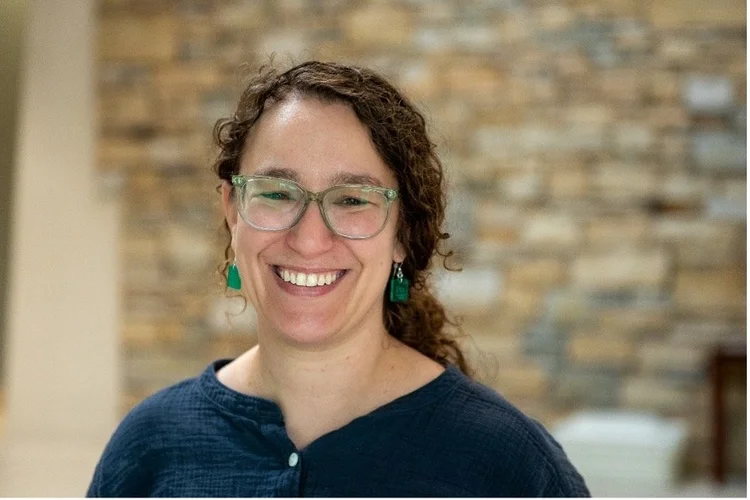
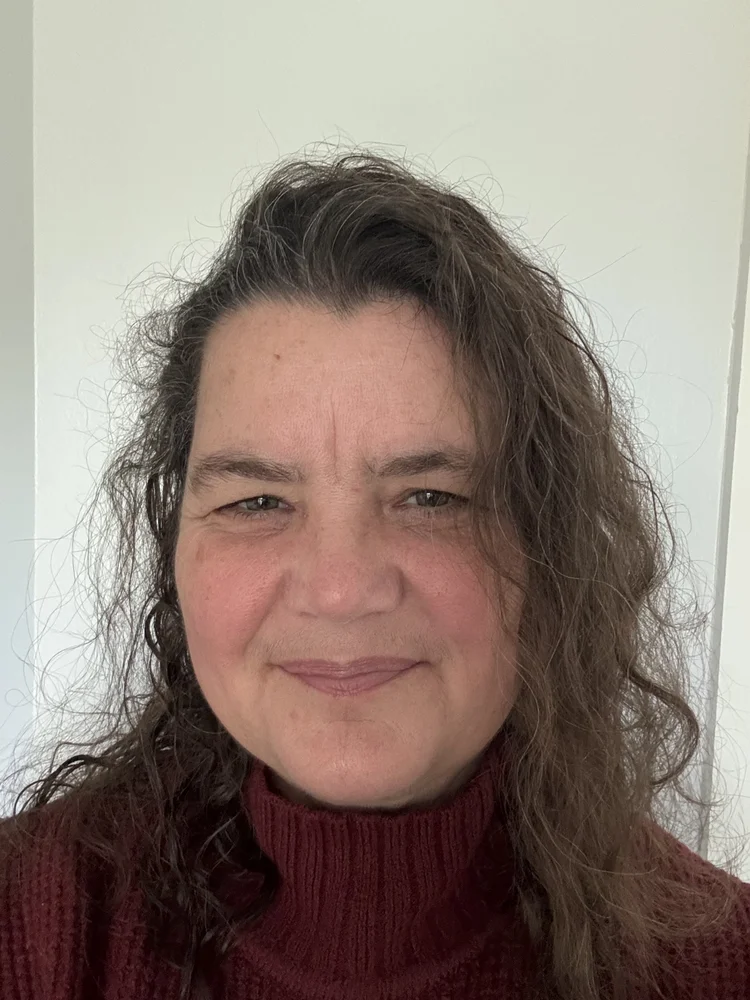
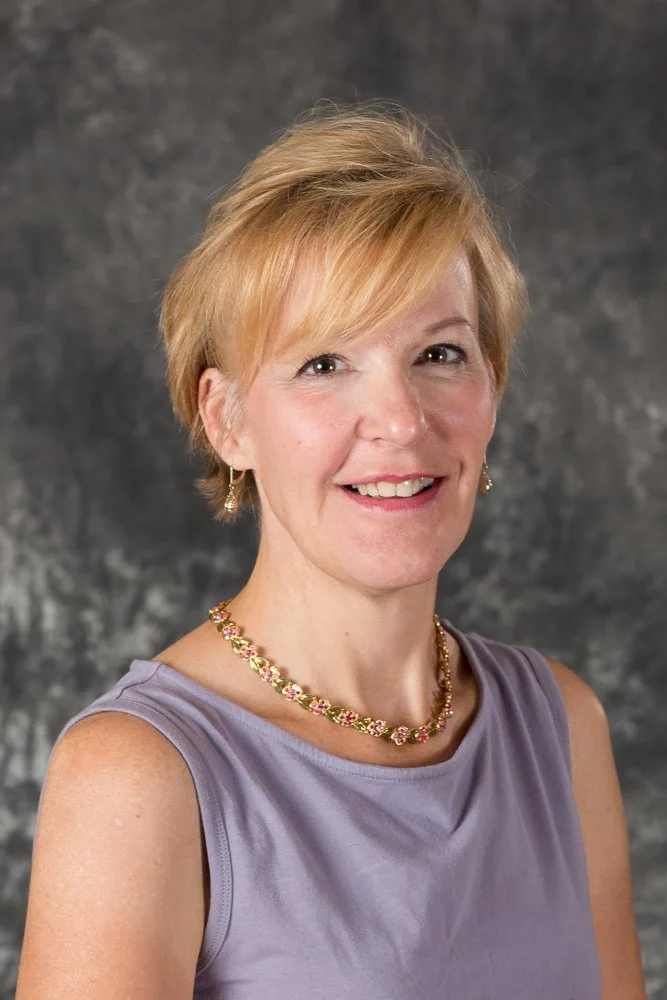
Abigail Harte-Williams, RN, JD, MPH, MS
About the speakerAbigail R. Williams, RN, BSN, JD, MPH, MS, CPPS, CPHRM, CPHFH, is a Clinical Human Factors and Clinical Safety Management Systems consultant at Synensys with more than 40 years of healthcare experience, including work focused on prehospital care systems. She specializes in patient safety, risk management, human factors engineering, clinical compliance, and the application of Safety Management Systems, CAST, and STPA to healthcare and EMS. Her work helps organizations move beyond reactive event review toward proactive safety design, resilient operations, and sustainable learning systems.